

There is a persistent idea in fitness that a workout has to hurt your joints to count.
It has to involve jumping, sprinting, pounding pavement, or finishing in a puddle of sweat. If your knees are not aching and your lungs are not burning, the thinking goes, perhaps you did not work hard enough.
But effort and impact are not the same thing.
A workout can be demanding without being punishing. It can challenge your heart, strengthen your muscles, improve endurance, and leave you feeling accomplished without beating up your knees, hips, ankles, or lower back. This is where low-impact training earns its place.
Low-impact does not mean easy. It means the workout reduces repeated stress on the joints. You can still train with intensity. You can still sweat. You can still build strength, stamina, and confidence.
For beginners, low-impact workouts can make fitness more approachable. For experienced exercisers, they can provide serious conditioning without adding unnecessary wear. For people returning from injury, managing joint pain, or trying to stay active for decades rather than weeks, they can be the difference between consistency and quitting.
Here are six low-impact workouts that still deliver a serious challenge.
1. Incline Walking
Walking is often underestimated because it feels too ordinary.
But walking uphill changes everything.
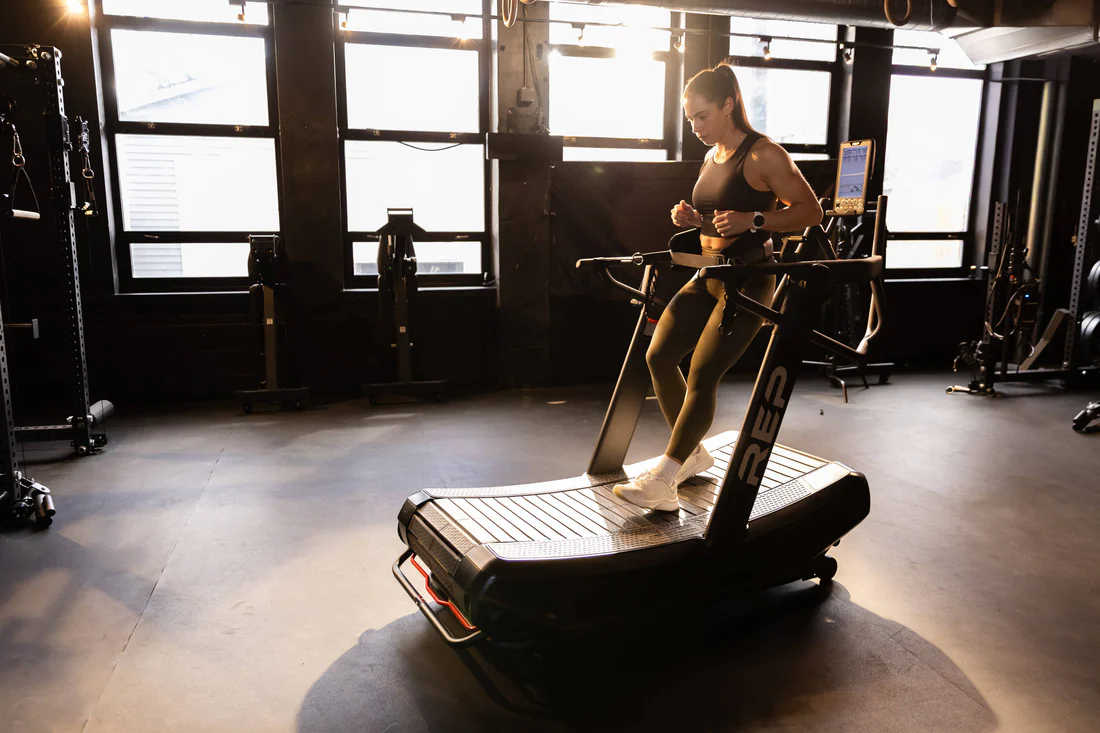
Incline walking raises your heart rate, strengthens your legs, challenges your glutes and calves, and builds endurance without the pounding that comes from running. It is simple, scalable, and surprisingly difficult when done with intention.
You can do it on a treadmill, a hill, a bridge, a trail, or a steep neighborhood street. The equipment does not matter much. The effort does.
On a treadmill, start with a moderate incline and a pace that makes conversation possible but slightly uncomfortable. You should be breathing harder, but not gasping. If you need to hold the rails tightly to keep up, reduce the speed or incline. The goal is not to survive the machine. The goal is to walk with control.
Outdoors, hills add natural variation. The ground changes. The slope shifts. Your body has to adjust. That makes the workout feel less mechanical and often more engaging.
A simple incline walking workout might look like this:
Warm up for five minutes on flat ground. Then alternate three minutes uphill with two minutes easier on flat ground or a lower incline. Repeat for 25 to 35 minutes.
To make it harder, increase the incline, extend the uphill intervals, or pick up the pace. To make it easier, reduce the incline and keep the walk steady.
Incline walking is especially useful for people who dislike running but still want a strong cardiovascular workout. It builds stamina without asking your joints to absorb repeated impact. It also fits easily into real life. You can walk before work, after dinner, during a lunch break, or on weekends.
The challenge is not dramatic. It is honest. Gravity does not need to shout to make you stronger.
2. Cycling
Cycling is one of the clearest examples of low-impact exercise that can become extremely challenging.
Because your body weight is supported by the bike, cycling reduces the repetitive impact that comes from running or jumping. But your legs, lungs, and heart can still work hard. Very hard.
A relaxed ride can help with recovery. A fast ride can test your endurance. A hill climb can humble your legs. A resistance-heavy indoor cycling session can feel like strength training and cardio at the same time.
That range is what makes cycling so useful.
If you are using a stationary bike, adjust the seat first. When your foot is at the bottom of the pedal stroke, your knee should be slightly bent, not locked and not sharply compressed. A poor setup can make the workout uncomfortable, especially for the knees and hips.
For a simple workout, try intervals.
Warm up for five minutes at an easy pace. Then ride hard for one minute and easy for two minutes. Repeat eight to 10 times. Cool down for five minutes.
The hard minutes should feel challenging but controlled. You should not be bouncing wildly in the seat or losing your form. Add resistance gradually. Let your legs work, but keep the movement smooth.
Outdoor cycling adds scenery, fresh air, and variety. Indoor cycling adds convenience and control. Both can be effective. The best choice is the one you will repeat.
Cycling is also a smart option for people who want to build cardiovascular fitness while preserving their joints for other activities. Runners often use cycling to add endurance without more pounding. Lifters use it for conditioning. Beginners use it because it feels less intimidating than running.
Done well, cycling proves that low-impact does not mean low-effort. The bike may spare your joints, but it will not spare your lungs if you ask enough of it.
3. Swimming
Swimming is gentle on the joints and serious for nearly everything else.
The water supports your body, which reduces impact. At the same time, it creates resistance in every direction. Your arms, legs, back, shoulders, core, and lungs all have to participate. Even a moderate swim can leave you feeling as if your entire body has been quietly worked.
That is the beauty of swimming. It does not look aggressive. It does not sound loud. But it demands coordination, breath control, strength, and patience.
For people with joint discomfort, swimming can be especially valuable. The buoyancy of the water makes movement feel lighter, while the resistance still gives muscles something to push against. It can be a strong option for people returning to fitness, carrying more body weight, or looking for a workout that does not leave them sore in the wrong places.
You do not need to swim endless laps to benefit.
Beginners can start with intervals. Swim one length of the pool, rest, and repeat. Or alternate between swimming and walking in the shallow end. Use a kickboard. Practice breathing. Take breaks without treating them as failure.
A simple pool workout might include:
Five minutes of easy swimming or water walking. Then 10 rounds of one pool length at a moderate pace, followed by rest. Finish with five minutes of relaxed movement.
As fitness improves, you can reduce rest time, add more laps, change strokes, or include faster intervals.
Swimming has a way of exposing tension. If you fight the water, you tire quickly. If you learn to move with rhythm, the workout becomes smoother and more sustainable. That makes it both physical and technical.
It is not just a workout. It is a skill.
And skills keep fitness interesting.
4. Rowing
Rowing is often overlooked because the machine can seem unfamiliar.
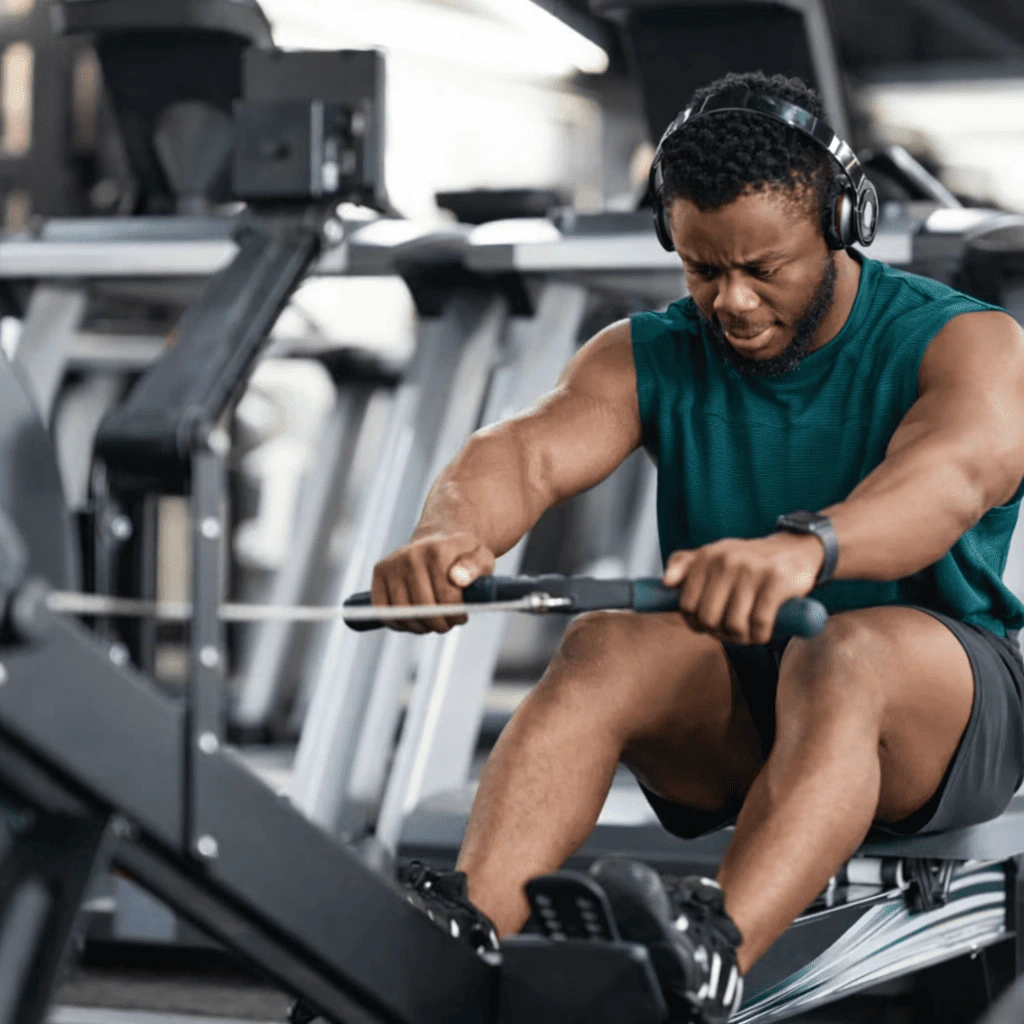
That is unfortunate, because rowing is one of the most efficient low-impact workouts available. It challenges the legs, glutes, back, core, arms, and cardiovascular system in one coordinated movement.
It is not an arm exercise, though many beginners treat it like one.
Good rowing begins with the legs. Push through the footplates. Let the hips open. Then pull the handle toward the lower ribs. Reverse the movement with control: arms first, body next, legs last.
Think: legs, body, arms. Then arms, body, legs.
When the sequence is right, rowing feels powerful and smooth. When it is wrong, it feels frantic and awkward.
Because rowing uses so much muscle at once, it can raise your heart rate quickly. A short session can be enough. That makes it ideal for busy people who want a demanding workout without high impact.
Try this beginner-friendly rowing workout:
Row easily for five minutes. Then row moderately hard for one minute, followed by two minutes easy. Repeat six to eight times. Cool down for three to five minutes.
Focus on rhythm before speed. Many people row too fast and too short, pulling with the arms and rushing the recovery. Slow down. Make each stroke count.
Rowing is also excellent for posture when done correctly. It strengthens the back, teaches hip drive, and requires core control. But form matters. If your lower back hurts, reduce intensity and check your technique. You should not be rounding aggressively or yanking the handle.
A rowing workout can feel athletic without feeling chaotic. It rewards patience, timing, and power. It is quiet work, but it is not easy work.
The machine may sit in the corner of the gym unnoticed. It should not.
5. Pilates
Pilates is often described as gentle, which can be true.
It can also be brutally precise.
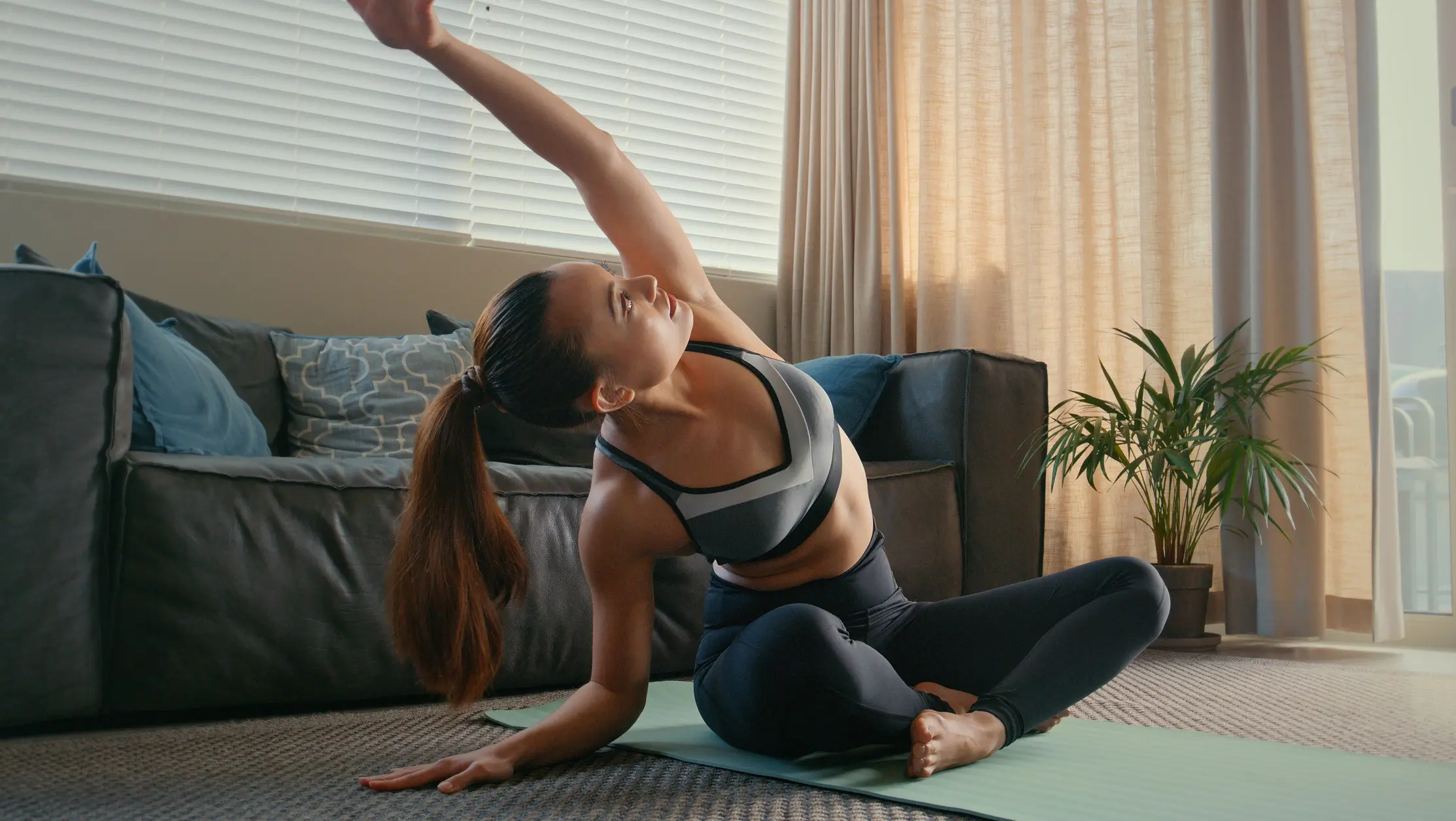
A well-designed Pilates workout trains the core, hips, glutes, shoulders, and deep stabilizing muscles. It improves control, mobility, posture, and strength through ranges of motion many people neglect.
It does not rely on jumping. It does not require heavy weights. It does not ask you to move fast. Instead, it asks you to move well.
That can be harder than it sounds.
Pilates exposes the small weaknesses that bigger, louder workouts often hide. Can you keep your ribs from flaring while your leg moves? Can you control your pelvis during a bridge? Can you breathe while holding tension? Can you move slowly without using momentum?
These questions matter because strength is not only about force. It is also about control.
Mat Pilates can be done almost anywhere. Reformer Pilates uses spring resistance and specialized equipment, which can make the workout more intense and varied. Both can be effective.
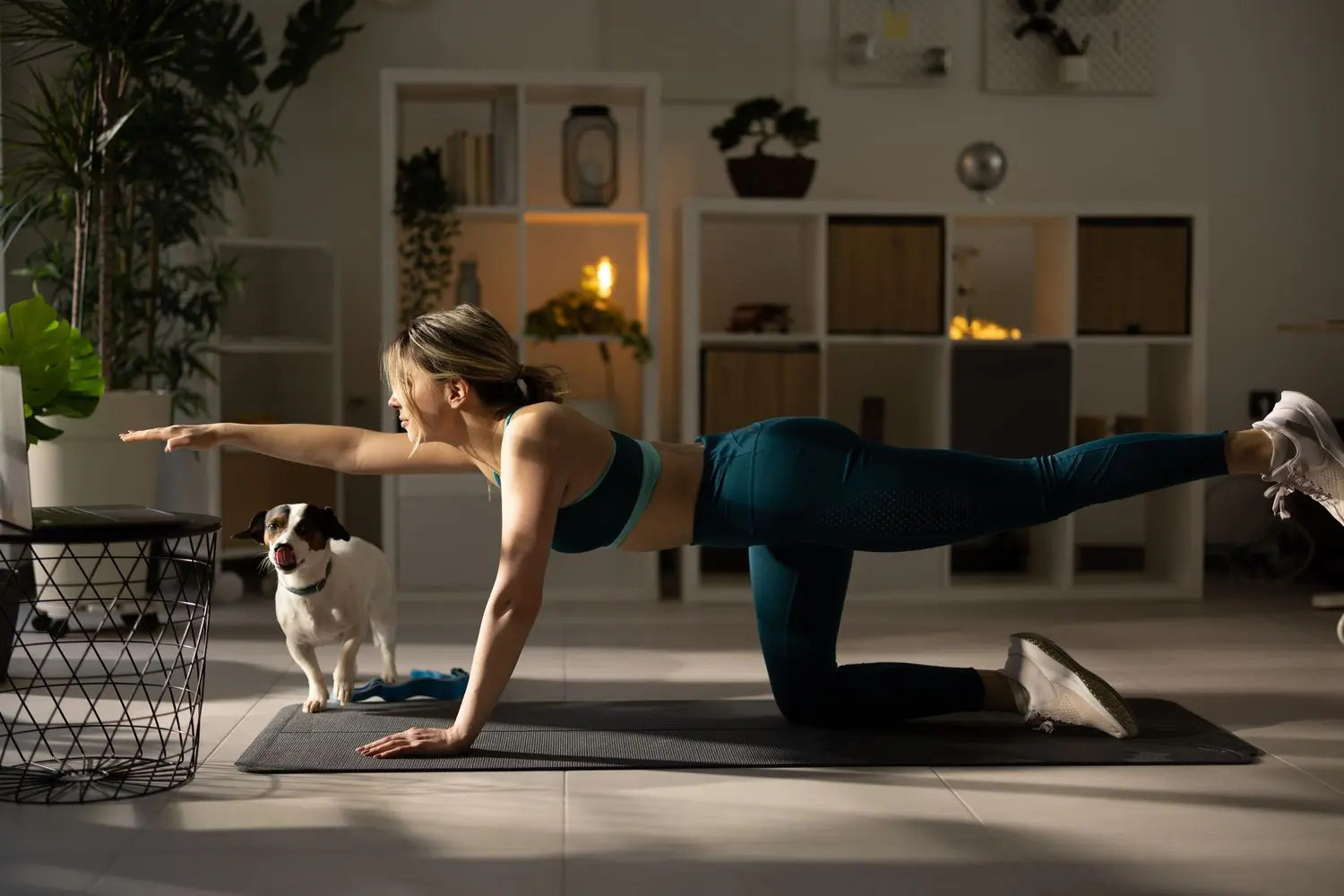
A simple Pilates-inspired session might include glute bridges, dead bugs, side-lying leg lifts, bird dogs, planks, and slow roll-downs. The movements may look small, but the attention required makes them challenging.
For people who sit all day, Pilates can be especially useful. It strengthens the core and hips, improves body awareness, and encourages better posture. It can also complement other training. Runners, lifters, cyclists, and swimmers can all benefit from the control Pilates develops.
The challenge in Pilates is not always obvious from the outside. There may be no dramatic sweat, no loud music, no heavy breathing. But the body knows. The deep shake during a slow hold is its own kind of truth.
Low-impact does not have to mean low-intensity. Sometimes intensity is a matter of focus.
6. Strength Training With Controlled Tempo
Strength training is not always thought of as a low-impact workout, but it can be one of the best.
You do not need to jump to build muscle. You do not need to run to raise your heart rate. You do not need high-speed circuits to challenge your body. Controlled strength training can build power, stability, bone strength, muscle, and confidence while keeping impact low.
The key is control.
A slow squat can be harder than a fast one. A controlled push-up can be more effective than 20 rushed reps. A Romanian deadlift done with attention can strengthen the hamstrings and glutes without pounding the joints. A farmer’s carry can challenge the whole body while looking almost too simple.
Build the workout around basic movement patterns: squat, hinge, push, pull, carry, and core stability.
A low-impact strength workout might look like this:
Goblet squat — 8 to 10 reps
Romanian deadlift — 8 to 10 reps
Push-up or dumbbell press — 8 to 10 reps
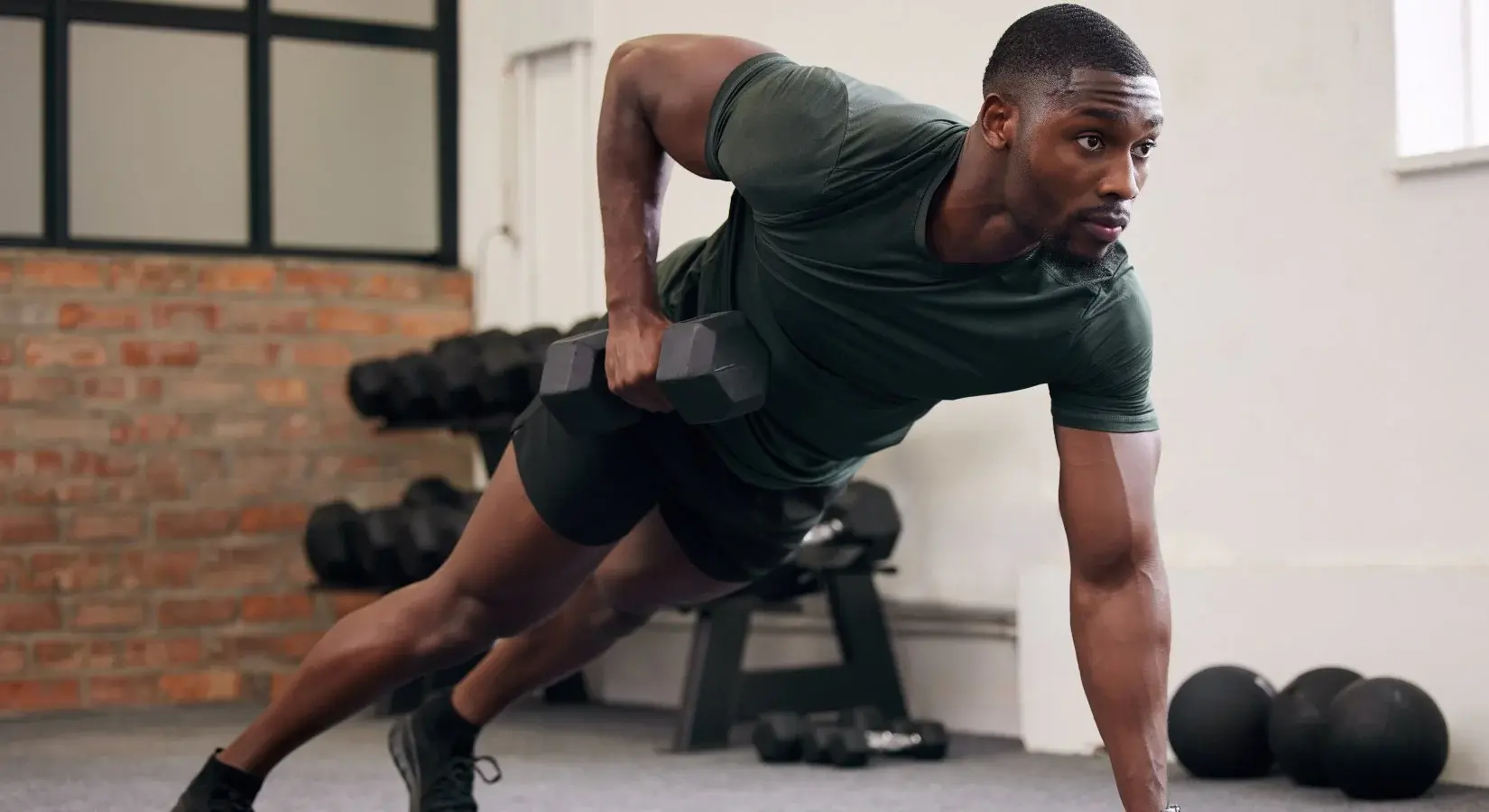
Seated row or dumbbell row — 10 reps
Farmer’s carry — 30 seconds
Dead bug or plank — 30 seconds
Repeat for three to four rounds, resting as needed.
To make it more challenging, add weight, slow the lowering phase, increase reps, or shorten rest slightly. Do not change everything at once. Progress should be gradual enough that your form stays clean.
Strength training is particularly valuable because it changes how daily life feels. Carrying groceries, climbing stairs, lifting boxes, standing taller, and getting up from the floor all become easier when the body is stronger.
For people who avoid high-impact workouts because of joint concerns, controlled strength training can be empowering. It shows that fitness is not just about burning calories. It is about building capacity.
And capacity is what makes the body feel more trustworthy.
Why Low-Impact Workouts Work
Low-impact workouts work because the body responds to challenge, not noise.
Your heart knows effort. Your muscles know tension. Your lungs know demand. Your joints know impact. The goal is to create enough demand for improvement while managing impact intelligently.
That makes low-impact training useful for many people: beginners, older adults, people with joint discomfort, athletes managing recovery, and anyone trying to build a routine that lasts.
There is also a psychological benefit. Low-impact workouts can feel less intimidating. They give people permission to train seriously without treating pain as the cost of admission.
The best workout is not the one that looks hardest on video. It is the one your body can recover from and your life can support.
That does not mean low-impact training is always easy. It means the difficulty comes from resistance, pace, incline, control, duration, and consistency — not from repeatedly slamming the body into the ground.
That distinction matters.
How to Build a Weekly Low-Impact Routine
A balanced low-impact routine can include cardio, strength, mobility, and recovery.
For example:
Monday: Controlled strength training
Tuesday: Incline walking
Wednesday: Pilates or mobility work
Thursday: Cycling intervals
Friday: Strength training
Saturday: Swimming or rowing
Sunday: Rest or easy walking
This is only a template. The right plan depends on your schedule, fitness level, preferences, and recovery. If you are just starting, begin with three workouts a week and build from there.
Do not make every workout hard. A routine made entirely of intense sessions will eventually feel heavy, even if the workouts are low-impact. Mix harder days with easier ones. Let recovery do its job.
And pay attention to pain. Muscle fatigue is normal. Sharp pain, joint pain, dizziness, or pain that changes how you move is not something to push through. Modify the workout, reduce intensity, or speak with a qualified professional if discomfort persists.
Low-impact training should help you feel better over time, not teach you to ignore warning signs.
The Bottom Line
Low-impact workouts are not second-class exercise.
They are smart, sustainable tools for building strength, stamina, control, and confidence. Incline walking, cycling, swimming, rowing, Pilates, and controlled strength training can all challenge the body without unnecessary pounding.
You can train hard without jumping. You can improve your fitness without punishing your joints. You can leave a workout tired in the right way — worked, not wrecked.
That is the real promise of low-impact training.
It gives you a way to keep going.
And in fitness, the ability to keep going is often what separates a short burst of effort from a life that actually changes.
Important notice: this content is educational and does not replace an individual evaluation. If you have a history of eating disorders, diabetes, pregnancy, or a medical condition, consult a healthcare professional before making dietary or exercise changes.






 Sign In