



Starting a fitness routine can feel strangely complicated.
You are told to lift weights, but not too heavy. Do cardio, but not too much. Eat more protein, but do not obsess. Rest, but stay disciplined. Push yourself, but listen to your body. The advice comes from trainers, influencers, friends, apps, and strangers who seem very confident about what worked for them.
For a beginner, all of it can become noise.
The truth is simpler, though not always easier: fitness is built through repeated, reasonable effort. Not punishment. Not perfection. Not a dramatic reinvention of your life by Monday morning.
The beginners who make the most progress are rarely the ones who start with the most intensity. They are the ones who learn the right lessons early — before frustration, injury, or burnout teaches them the hard way.
Here are 10 fitness lessons every beginner should learn early.
1. Consistency Beats Intensity
A brutal workout can make you feel accomplished for a day. A consistent routine can change your life.
That distinction matters.
Many beginners start too hard. They train every day, chase soreness, cut calories aggressively, and imagine that maximum effort will produce maximum results. For a short time, it feels exciting. Then the body gets tired. The schedule becomes difficult. Motivation fades. One missed workout becomes three. Soon, the routine disappears.
Fitness rewards repetition more than drama.
Three manageable workouts a week will usually do more for you than one exhausting session followed by six days of avoidance. A daily 20-minute walk can matter more than an occasional two-hour workout you dread. The best plan is not the one that looks impressive on paper. It is the one you can repeat when life is ordinary, busy, and inconvenient.
Start smaller than your ambition wants. If you think you can train five days a week, begin with three. If you want to work out for an hour, start with 30 minutes. If you want to overhaul your diet, begin with one meal.
This is not weakness. It is strategy.
A routine that feels almost too easy at first gives you room to build. It helps you become the kind of person who shows up. That identity is more powerful than any single workout.
2. Learn Good Form Before Chasing Heavier Weights
Strength training is one of the best things a beginner can do, but it should be approached with respect.
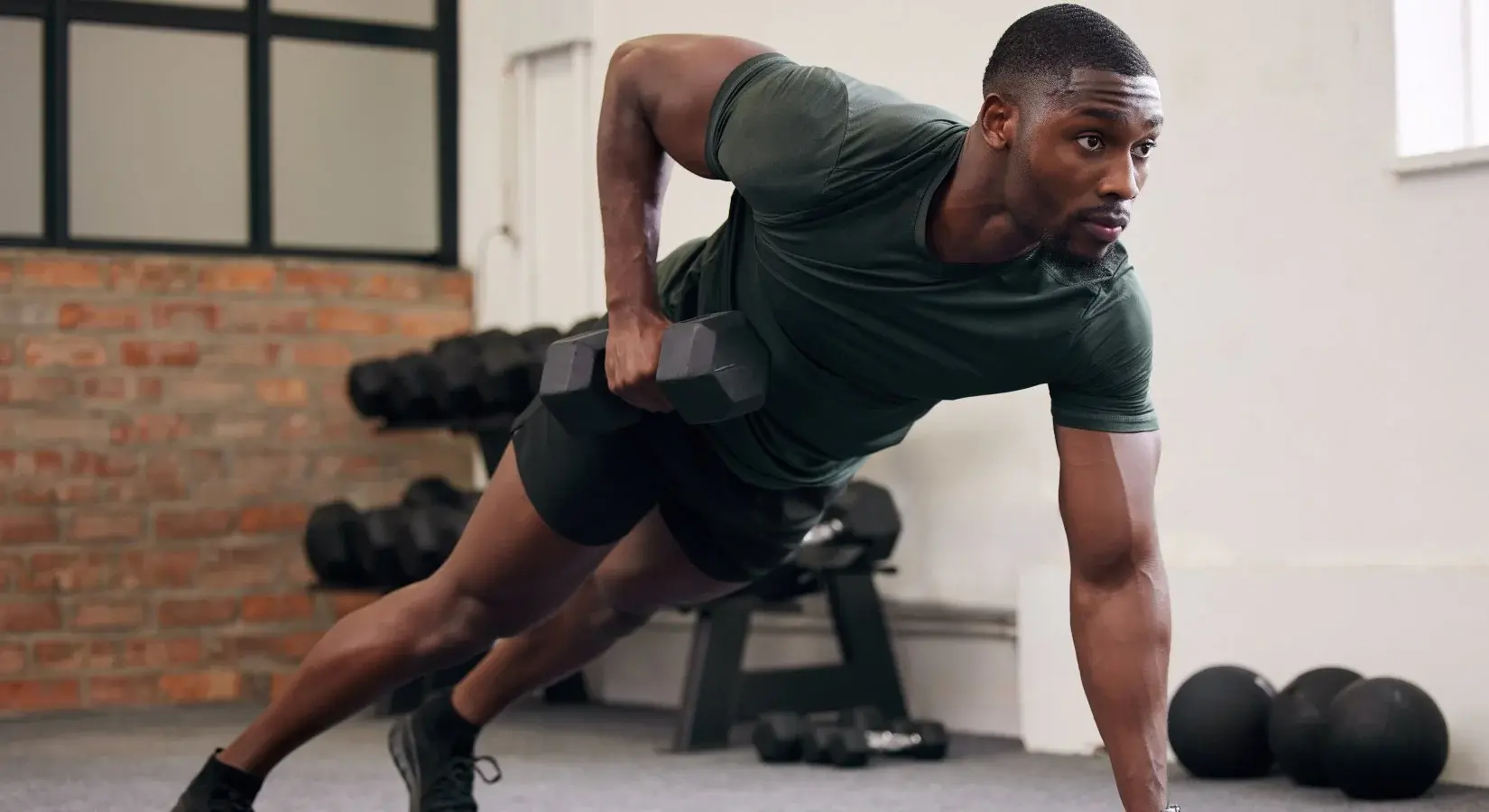
Weights are useful because they challenge the body. That is also why poor form can become a problem. A squat, deadlift, lunge, row, or press is not just about moving weight from one place to another. It is about moving well under load.
Good form helps you train the right muscles and reduce unnecessary strain on your joints and lower back. Poor form may still let you finish the set, but it often teaches the body bad habits.
Beginners should focus on control first. Use lighter weights. Move slowly. Learn where your feet go. Learn how to brace your core. Learn what it feels like to hinge at the hips instead of rounding the back. Learn how to press without shrugging the shoulders to your ears.
There is no shame in starting with bodyweight exercises, resistance bands, machines, or light dumbbells. These tools can help you build strength while practicing the movement pattern.
If possible, get feedback from a qualified coach, trainer, or physical therapist, especially for exercises that feel awkward or painful. If that is not available, record yourself from the side and front occasionally. What you feel and what you are doing are not always the same thing.
The goal is not to look perfect. The goal is to move safely enough to keep training.
Heavy weights can come later. First, earn the movement.
3. Soreness Is Not the Best Measure of Progress
Beginners often use soreness as proof that a workout worked.
It is understandable. Soreness feels like evidence. It tells you that something happened. But soreness is not the same as progress.
Muscle soreness often appears when you do something new, increase volume, train with slower tempo, or use muscles in unfamiliar ways. It may happen after a productive workout. It may also happen after a workout that was simply too much too soon.
Being sore does not automatically mean you are getting stronger. Not being sore does not mean you wasted your time.
Better signs of progress include lifting slightly more weight, doing more reps with good form, walking farther, recovering faster, sleeping better, having more energy, or feeling more confident in your movements.
Chasing soreness can lead beginners to train harder than they need to. They add extra exercises, push every set to failure, or change routines constantly just to feel that next-day ache. Over time, this can interfere with consistency.
A good workout should challenge you. It does not need to punish you.
Mild soreness is normal, especially at the beginning. Sharp pain, joint pain, pain that changes your form, or soreness that lasts for many days deserves attention. If something feels wrong, stop and adjust. Getting hurt is not a badge of honor.
The goal is not to be sore.
The goal is to get better.
4. Rest Days Are Part of Training
Rest can feel suspicious when you are motivated.
You may worry that taking a day off means losing progress. You may feel guilty for not doing more. You may believe that serious people train every day.
But the body does not get stronger during the workout itself. The workout creates the signal. Recovery is when adaptation happens.
Muscles repair. Energy stores refill. The nervous system settles. Joints and connective tissues get time away from repeated stress. Without enough recovery, training can become less effective, not more.
Beginners especially need rest because their bodies are still adapting to new demands. A reasonable starting point might be three strength workouts a week, with walking, stretching, or light movement on other days. Some people can do more. Some need less. The right amount depends on age, sleep, stress, training history, and overall health.
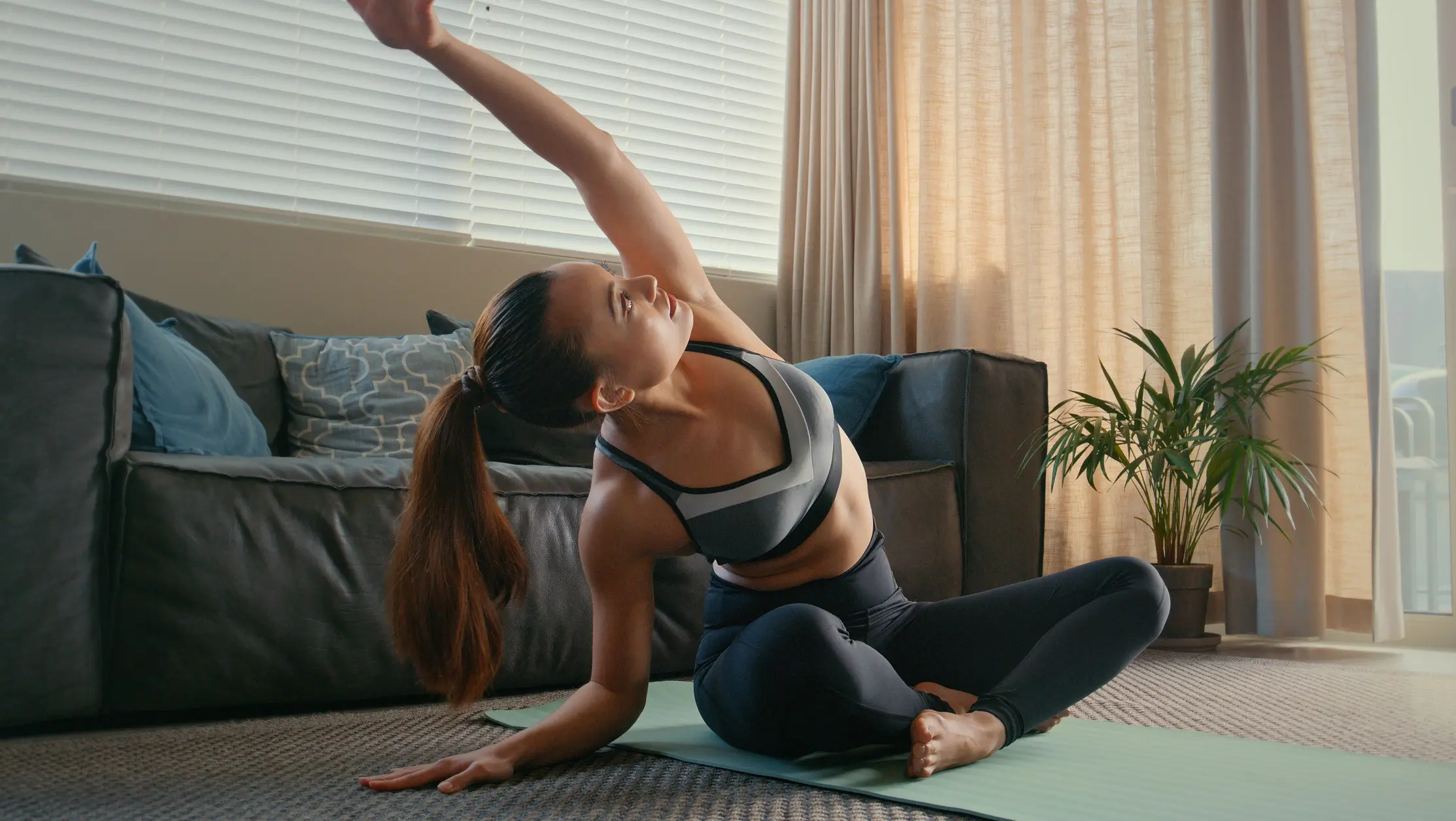
Rest does not always mean lying still. Easy walks, gentle mobility work, and relaxed stretching can help you feel better between workouts. But easy should mean easy. Turning every rest day into a secret workout defeats the purpose.
Pay attention to signals: persistent fatigue, declining performance, irritability, poor sleep, nagging pain, or a sudden lack of motivation. These may mean your recovery is not keeping up with your effort.
Rest is not quitting.
It is what allows you to return stronger.
5. Nutrition Matters, but Extremes Usually Backfire
Many beginners think fitness requires a dramatic diet.
They remove entire food groups, skip meals, buy supplements, or follow strict rules that make normal life difficult. For a while, this may feel productive. But extremes often collapse under the weight of birthdays, work dinners, travel, stress, and hunger.
A better approach is to build a diet that supports your training and your life.
Start with the basics. Eat enough protein to help repair and build muscle. Include carbohydrates for energy, especially if you train regularly. Eat fruits and vegetables for fiber, vitamins, and minerals. Drink water. Do not let every meal become a moral test.
You do not need to eat perfectly to make progress. You need a pattern that is good enough to repeat.
For many beginners, the biggest improvements come from simple changes: adding protein to breakfast, preparing a few meals ahead of time, reducing sugary drinks, eating more whole foods, or keeping healthier snacks available.
If weight loss is a goal, a moderate calorie deficit is usually more sustainable than aggressive restriction. If muscle gain is a goal, you may need to eat enough food to support growth. In both cases, patience matters.
Be cautious with anyone promising fast results through extreme dieting, detoxes, or miracle supplements. Good nutrition is rarely glamorous. It is mostly ordinary choices repeated often.
Food is not just about looking different.
It is about having enough energy to train, recover, think clearly, and live well.
6. Walking Counts More Than You Think
Walking is easy to underestimate because it feels so normal.
But for beginners, walking can be one of the most valuable habits to build. It is low-impact, accessible, inexpensive, and easy to fit into daily life. It can support heart health, improve mood, help with weight management, reduce stiffness, and make the body more prepared for other forms of exercise.
Walking also helps solve one of the biggest beginner problems: doing too much too soon.
If strength training leaves you sore, walking can keep you moving without adding heavy stress. If running feels intimidating or uncomfortable, brisk walking can improve fitness with less impact. If your schedule is busy, short walks can still count.
A 10-minute walk after meals. A 20-minute walk before work. A longer walk on weekends. These habits may not feel dramatic, but they add up.
To make walking more effective, add intention. Pick up the pace. Choose hills. Use intervals. Stand tall. Swing your arms. Track time or distance if that helps you stay consistent.
Walking also gives beginners early wins. You can often do it today, without waiting for equipment, confidence, or the perfect plan.
That matters.
The best exercise is not always the hardest one. Sometimes it is the one that helps you begin.
7. Your Routine Should Fit Your Life
A fitness plan that does not fit your life is not a plan. It is a fantasy.
Beginners often copy routines from people with different schedules, bodies, goals, and responsibilities. A program that works for a full-time athlete, influencer, or experienced lifter may not work for someone with a demanding job, children, limited sleep, or no gym nearby.
Your routine should match your reality.
If you only have 30 minutes, build a 30-minute routine. If mornings are chaotic, do not force yourself into a sunrise workout just because someone online says it is best. If you hate running, choose another form of cardio. If the gym makes you uncomfortable at first, start at home.
The best routine is one that reduces friction.
Put workouts on your calendar. Keep clothes ready. Choose a gym near your home or workplace. Have a backup plan for busy days. Decide in advance what counts as a minimum workout when motivation is low.
A minimum workout might be 10 minutes of movement. One round of exercises. A walk around the block. Stretching before bed. It will not transform your body overnight, but it keeps the habit alive.
Fitness should improve your life, not constantly compete with it.
When a routine fits, consistency becomes easier. When consistency becomes easier, progress becomes more likely.
8. Progress Is Not Always Visible at First
The mirror is a poor early narrator.
In the first weeks of training, you may be making progress that does not show clearly in photos or clothing. Your nervous system is learning movements. Your coordination is improving. Your muscles are adapting. Your heart and lungs are responding. Your confidence is growing.
But because the visible changes can be slow, many beginners assume nothing is happening.
That is why tracking matters.
Write down your workouts. Record weights, reps, sets, distances, times, or how you felt. Notice when you recover faster. Notice when the stairs feel easier. Notice when your posture improves or your mood changes after exercise.
Progress has many forms.
Maybe you sleep better. Maybe your back hurts less after sitting. Maybe you can carry groceries with less effort. Maybe your resting heart rate improves. Maybe you feel less anxious after a walk. Maybe you show up even when you do not feel like it.
These are not small things.
Visible changes may come, especially with consistent training and nutrition, but they are only one part of the story. If you rely only on the mirror, you may miss the evidence that your body is already changing.
Measure what matters.
And remember that slow progress is still progress.
9. Pain Is a Signal, Not a Test of Character
Fitness requires effort. It does not require ignoring pain.
This is one of the most important lessons a beginner can learn early. There is a difference between discomfort and pain. Discomfort is the burn in your muscles during a hard set, the heavy breathing during cardio, or the fatigue that comes from doing something challenging.
Pain is different. Pain may feel sharp, sudden, pinching, stabbing, or localized in a joint or tendon. It may worsen as you continue. It may change your movement. It may linger after the workout.
Do not treat pain as something to defeat.
If an exercise hurts, stop and assess. Reduce the weight. Change the range of motion. Try a different variation. Improve your warm-up. Ask for help. If pain continues or affects daily life, consult a qualified medical professional.
This is not being cautious to the point of weakness. It is how people stay active for years.
There is almost always another way to train. If running hurts, try cycling, swimming, or incline walking. If barbell squats bother your back, try goblet squats, split squats, or a leg press. If push-ups hurt your wrists, try handles, dumbbells, or incline push-ups.
You are not married to any single exercise.
The goal is to build a body that works better, not to prove that you can suffer through movements that do not suit you.
Long-term fitness belongs to people who learn how to listen early.
10. Motivation Comes and Goes, So Build Systems
Motivation is wonderful when it appears.
It makes workouts feel easier. It helps you start. It gives the future a sense of possibility. But motivation is unreliable. It changes with sleep, stress, weather, mood, hormones, work, and life.
Beginners who depend entirely on motivation often struggle when the initial excitement fades.
Systems are more dependable.
A system is the structure that helps you act even when you are not inspired. It includes your schedule, environment, habits, workout plan, social support, and backup options.
For example: you train Monday, Wednesday, and Friday after work. You pack your gym bag the night before. You follow the same beginner strength plan for eight weeks. You walk on lunch breaks. You track your workouts. You have a 10-minute home routine for days when the gym is impossible.
None of this is dramatic. That is why it works.
Systems reduce the number of decisions you need to make. They make fitness less dependent on mood. Over time, the routine becomes familiar. You stop asking, “Do I feel like working out?” and start asking, “What is today’s workout?”
This does not mean becoming rigid. Life will interrupt. You will miss workouts. You will get sick, travel, feel tired, or lose momentum. The system should help you return without shame.
Missing one workout is normal. Missing one week is recoverable. Starting again is part of the process.
Motivation starts the engine.
Systems keep it running.
A Simple Beginner Fitness Plan
If you are not sure where to begin, keep it simple.
Do three full-body strength workouts per week. Focus on basic movement patterns: squat, hinge, push, pull, core, and carry. Use weights that feel challenging but controlled.
On two or three other days, walk for 20 to 40 minutes. Keep at least one day easier or fully restful.
Eat regular meals with protein, carbohydrates, fruits or vegetables, and enough water. Sleep as consistently as your life allows. Track what you do. Add difficulty gradually.
After four weeks, review your progress. Are you stronger? More consistent? Less winded? More confident? Then adjust.
You do not need a perfect plan. You need a plan you can begin.
The Bottom Line
Fitness is not a 30-day personality transplant. It is a long relationship with your body.
The earlier you learn that, the better.
Consistency beats intensity. Form matters. Soreness is not the goal. Rest is training. Nutrition should support your life. Walking counts. Your routine should fit your reality. Progress is not always visible at first. Pain deserves attention. Motivation is useful, but systems are stronger.
These lessons may not sound as exciting as a transformation promise. But they are more durable.
And durability is what beginners need most.
Start small. Learn well. Recover often. Keep going.
The goal is not to become a different person overnight.
The goal is to become someone who knows how to return.
Important notice: this content is educational and does not replace an individual evaluation. If you have a history of eating disorders, diabetes, pregnancy, or a medical condition, consult a healthcare professional before making dietary or exercise changes.









 Sign In