



Fat loss, for the desk-bound, is rarely won with one heroic workout. It’s usually earned in quieter ways—small decisions that keep muscle, protect energy, and nudge your body toward “more use” and “less storage,” without requiring a new personality.
If you sit for most of your day—at a laptop, in meetings, in a car or commuting—you’re not alone. Modern work has turned many bodies into highly efficient statues: still for hours, then expected to perform during a sliver of “free time.” The result is often familiar: a sluggish feel in the afternoon, tight hips and shoulders, hunger that shows up at odd times, and workouts that feel harder than they should.
The punchline is not that you need more suffering. The punchline is that you need better leverage.
Strength training is one of the best forms of leverage available to someone who sits all day. Not because it magically melts fat, but because it quietly changes the math: it helps you keep muscle while dieting, improves how you tolerate carbohydrates, raises the “background” burn of daily movement when your training supports more activity, and tends to make people feel capable—capable enough to take the stairs, to walk after dinner, to do the next sensible thing.
Below are seven habits that do exactly that. They are not flashy. They are not “biohacks.” They are habits that fit into real schedules and real bodies—especially bodies that spend too much time in chairs.
Habit 1: Treat Strength Training as an Anchor, Not an Add-On
For a person who sits all day, the biggest mistake isn’t choosing the wrong exercise. It’s treating strength training like a spare tire: something you use only when life allows.
The quiet habit is the opposite: you anchor your week with two to four strength sessions and let everything else orbit around them.
Why it accelerates fat loss:
When people diet without strength training, they often lose weight—but some of that weight can be muscle. Muscle is metabolically active tissue, but more importantly, it’s functional tissue. The more muscle you keep, the easier it is to move more, train harder, and maintain progress without feeling like you’re fighting your own body.
What this looks like in real life:
- 2–4 sessions per week, 35–60 minutes each.
- Mostly full-body or upper/lower splits, not a complicated six-day routine you’ll resent by week two.
- A simple goal: add a rep, add a little weight, or improve form each week.
If you’re pressed for time, choose a plan that respects that reality. A clean, repeatable routine beats the “perfect” routine you can’t sustain.
A practical anchor template (3 days/week):
- Day A: Squat pattern + push + row + core
- Day B: Hinge pattern + pull + overhead press + carry
- Day C: Lunge pattern + incline press + pulldown/row + core
The consistency matters more than the creativity. In fat loss phases, you’re not trying to reinvent fitness. You’re trying to build a reliable signal: “This body is used.”
Habit 2: Build “Strength Snacks” Into Your Workday
If your job requires sitting, you don’t have to pretend it doesn’t. You just have to interrupt it.
The habit here is small: every 60–90 minutes, do two to five minutes of something muscular. Not cardio. Not sweating. Just movement that asks your muscles to do a job.
Why it accelerates fat loss:
Long sitting stretches tend to lower daily energy expenditure and can make you feel mentally foggy—then suddenly ravenous. “Strength snacks” add small bursts of muscular work that:
- increase total daily movement,
- reduce stiffness,
- make your later workout feel less like starting cold,
- and keep your body from being in “storage mode” all day.
Examples you can do in office clothes:
- 10–15 chair-assisted squats
- 8–12 incline push-ups against a desk
- 10–15 glute bridges (on the floor, if you can)
- 20–40 seconds of a plank
- 10–20 band pull-aparts (keep a band in your bag)
- 30–60 seconds of farmer-carry-style walking with a backpack or heavy tote
Do one “snack” before lunch and one mid-afternoon, and you’ve already changed your day. Not dramatically. Quietly. Which is the whole point.
Habit 3: Train the Muscles Sitting Turns Off (Glutes, Back, and Upper Back)
Sitting doesn’t just make you still—it tends to shift your body into a shape: hips flexed, glutes underused, upper back rounded, shoulders rolled forward. Over time, it can make certain movements feel awkward and certain exercises feel harder than they should.
The habit is to program strength training that restores balance, especially:
- glutes and hamstrings (your “hip extension” muscles),
- upper back (the muscles that help you stand tall),
- and deep core stability (the kind that helps you brace, not just “feel” your abs).
Why it accelerates fat loss:
When posture and movement quality improve, workouts feel better. When workouts feel better, you train more consistently and with more intensity. And when you can train hard while dieting, you give your body a reason to preserve muscle.
Key movements to prioritize:
- Hinge patterns: Romanian deadlifts, hip hinges, kettlebell deadlifts
- Rows: cable rows, dumbbell rows, chest-supported rows
- Pulling volume: pulldowns, assisted pull-ups, band rows
- Glute work: hip thrusts, glute bridges, step-ups
- Anti-rotation core: pallof presses, suitcase carries, dead bugs
A desk job isn’t a moral failing. But it does have a physical signature. Strength training can erase that signature—slowly, reliably—and fat loss becomes easier when your body moves like it wants to.
Habit 4: Add “Low-Drama” Conditioning That Doesn’t Steal Recover
People who sit all day often try to make up for it with punishing cardio: long runs, high-intensity circuits, daily HIIT. Sometimes it works, briefly. Often it backfires: hunger spikes, recovery declines, strength training suffers, and the entire plan becomes a short-lived negotiation with exhaustion.
The quiet habit is to choose conditioning that supports fat loss without sabotaging strength.
Why it accelerates fat loss:
Low- to moderate-intensity movement increases energy expenditure without triggering the same level of fatigue. It tends to be easier to recover from, easier to repeat, and easier to pair with strength training.
Best options for desk-bound fat loss:
- 10–20 minute walks after meals (especially after lunch and dinner)
- Incline treadmill walking 20–40 minutes a few times per week
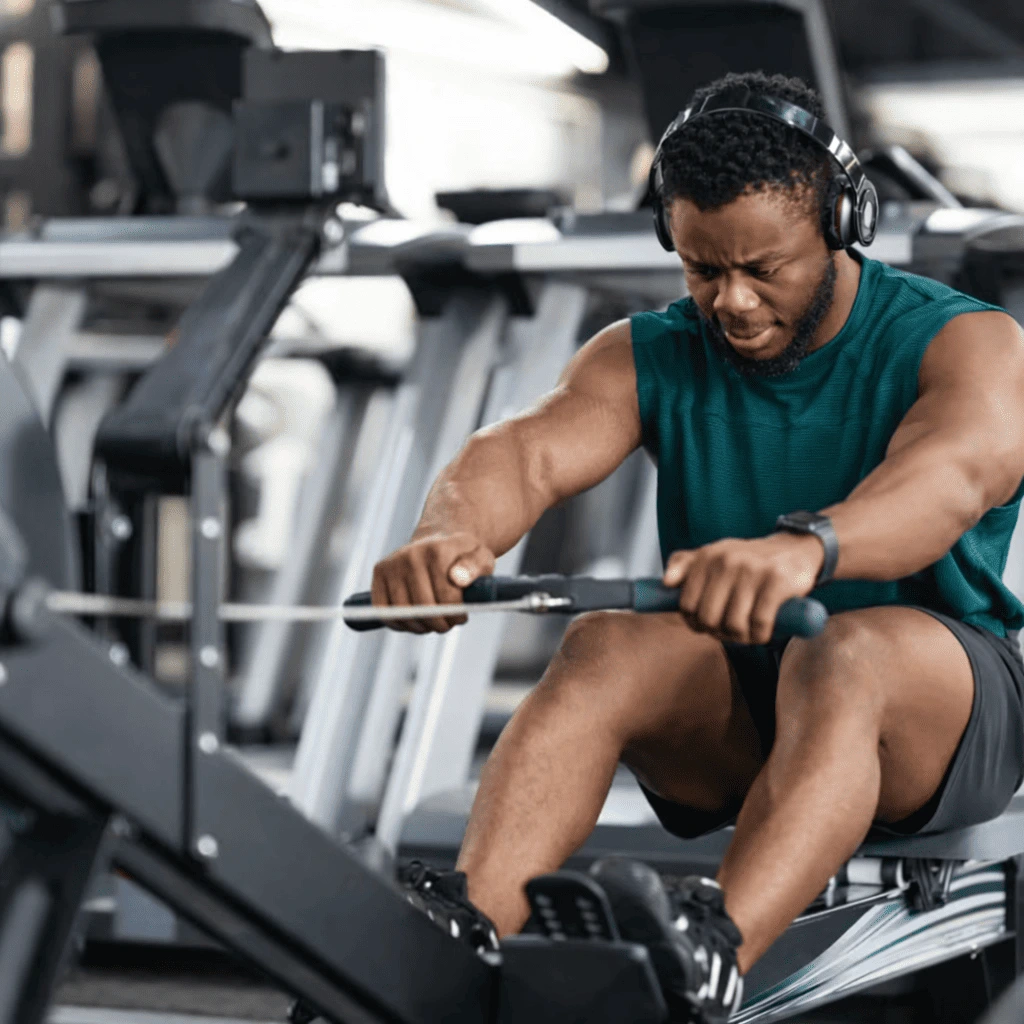
- Cycling or rowing at an easy conversational pace
- Rucking (walking with a loaded backpack), if joints tolerate it
The after-meal walk is underrated. It’s not glamorous, but it can:
- improve digestion,
- blunt the “food coma,”
- reduce the urge to snack later,
- and help you hit a daily movement threshold without thinking.
If you do nothing else, do this: walk for ten minutes after dinner. It’s the kind of habit that doesn’t announce itself—but it changes people.
Habit 5: Eat for Muscle Retention First (Protein + Fiber), Then Let Calories Follow
Fat loss requires a calorie deficit. But hunger determines whether the deficit is sustainable, and muscle retention determines whether the weight you lose looks and feels like progress.
The quiet habit is to build meals around the two anchors that make dieting easier:
- protein (for satiety and muscle preservation),
- fiber (for fullness and steadier energy).
Why it accelerates fat loss:
People who sit all day often experience “phantom hunger”—not always a true need for energy, but a mix of boredom, stress, and blood-sugar swings. Protein and fiber reduce the noise.
A simple, repeatable plate rule:
- 1–2 palms of lean protein (chicken, fish, eggs, Greek yogurt, tofu, lean beef)
- 1–2 fists of high-fiber plants (vegetables, berries, legumes, salad)
- 1 cupped hand of carbs (rice, potatoes, oats, fruit) adjusted to training days
- 1 thumb of fats (olive oil, nuts, avocado)
And for those who work long hours: consider “bookending” your day with protein.
- Breakfast: high-protein, moderate fiber
- Dinner: high-protein, plenty of plants
This isn’t diet culture. It’s logistics. If your meals leave you starving, the plan collapses at 9 p.m.
Habit 6: Protect Sleep Like It’s Part of Training (Because It Is)
You can’t out-train a nervous system that’s running on four to five hours of sleep. Many people with desk jobs live in a strange paradox: mentally exhausted, physically under-moved, and still unable to sleep deeply.
The quiet habit is to treat sleep and stress management as a fat-loss tool—not a wellness accessory.
Why it accelerates fat loss:
Poor sleep tends to increase appetite, reduce impulse control, and make cravings louder. It also makes workouts feel harder and recovery slower. In a fat loss phase, that’s a triple tax.
Small behaviors that actually help:
- Get morning light early in the day when possible (even 5–10 minutes helps).
- Keep caffeine to the first part of the day; avoid “rescue coffee” late afternoon.
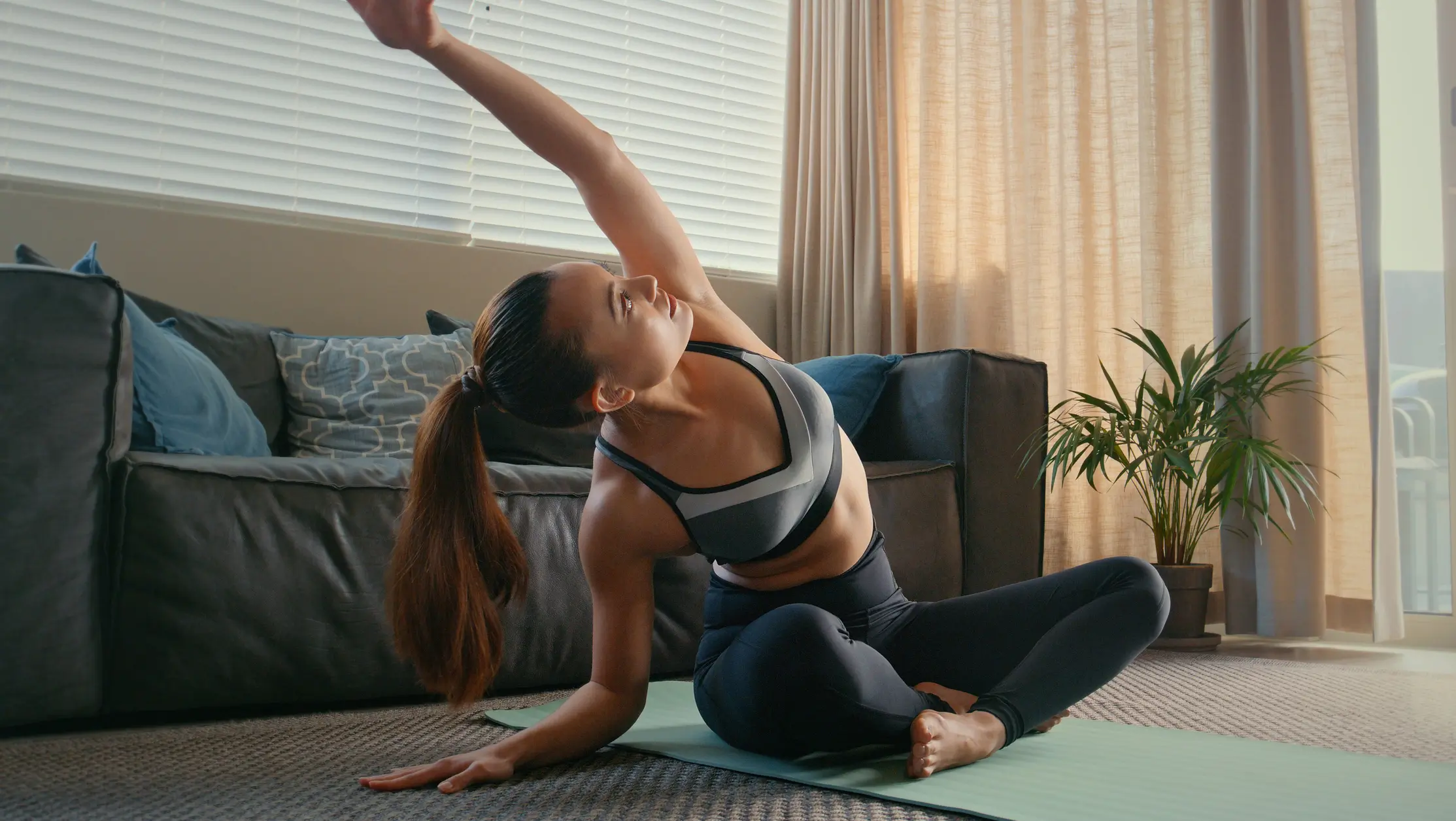
- Create a brief “shutdown ritual” after work: a short walk, a shower, a few minutes of stretching.
- Keep your last meal not too heavy, especially if late.
- If your mind races, try a simple breathing pattern: slow exhale-focused breathing for 3–5 minutes.
This isn’t about perfection. It’s about giving your body the conditions in which fat loss is easier—because your hunger and your willpower are not infinite resources.
Habit 7: Track the Right Things (Strength, Steps, Waist, Energy)—Not Just the Scale
The scale is not useless, but it’s noisy. Sodium, stress, sleep, and training soreness can swing your weight without reflecting true fat loss. For desk workers, that noise can become demoralizing—and demoralization is one of the fastest ways to abandon a plan.
The quiet habit is to measure progress with a broader lens.
Why it accelerates fat loss:
When you track the right metrics, you can adjust calmly instead of panicking. Fat loss becomes a process, not a referendum on your worth.
What to track weekly:
- Strength performance: reps and weight on key lifts
- Waist measurement: 1–2 times per week, same conditions
- Steps or daily movement: not as punishment, as information
- Sleep duration: approximate is fine
- Energy and hunger: a simple 1–10 rating
Often, if strength is holding steady, waist is trending down, and steps are consistent, you’re winning—even if the scale is being dramatic.
A Week That Works for People Who Sit All Day
If you want a simple structure that captures these habits:
Monday: Full-body strength + 10-minute walk after dinner
Tuesday: 30-minute easy walk (or incline treadmill) + 2 strength snacks
Wednesday: Full-body strength + short post-meal walk
Thursday: Easy conditioning (bike/row/walk) + mobility work
Friday: Full-body strength + 10-minute walk after dinner
Weekend: One longer walk/hike + one rest day with light movement
It’s not extreme. That’s why it works.
The Bigger Idea: Quiet Consistency Beats Loud Effort
For people who sit all day, the goal isn’t to become someone who never sits. The goal is to become someone whose body still gets regular signals of strength, movement, and recovery—signals that make fat loss less of a battle.
These seven habits are boring in the best way. They don’t require a dramatic Monday. They don’t depend on motivation. They are the kind of habits that build results while you’re busy living your life.
Conclusion
Fat loss doesn’t need to feel like punishment—especially if you’re building strength in a way that supports your schedule and your energy. When you anchor your week with a few honest lifting sessions, sprinkle in small “strength snacks,” walk strategically, eat for satiety, and protect sleep, the process becomes steadier and far less fragile.
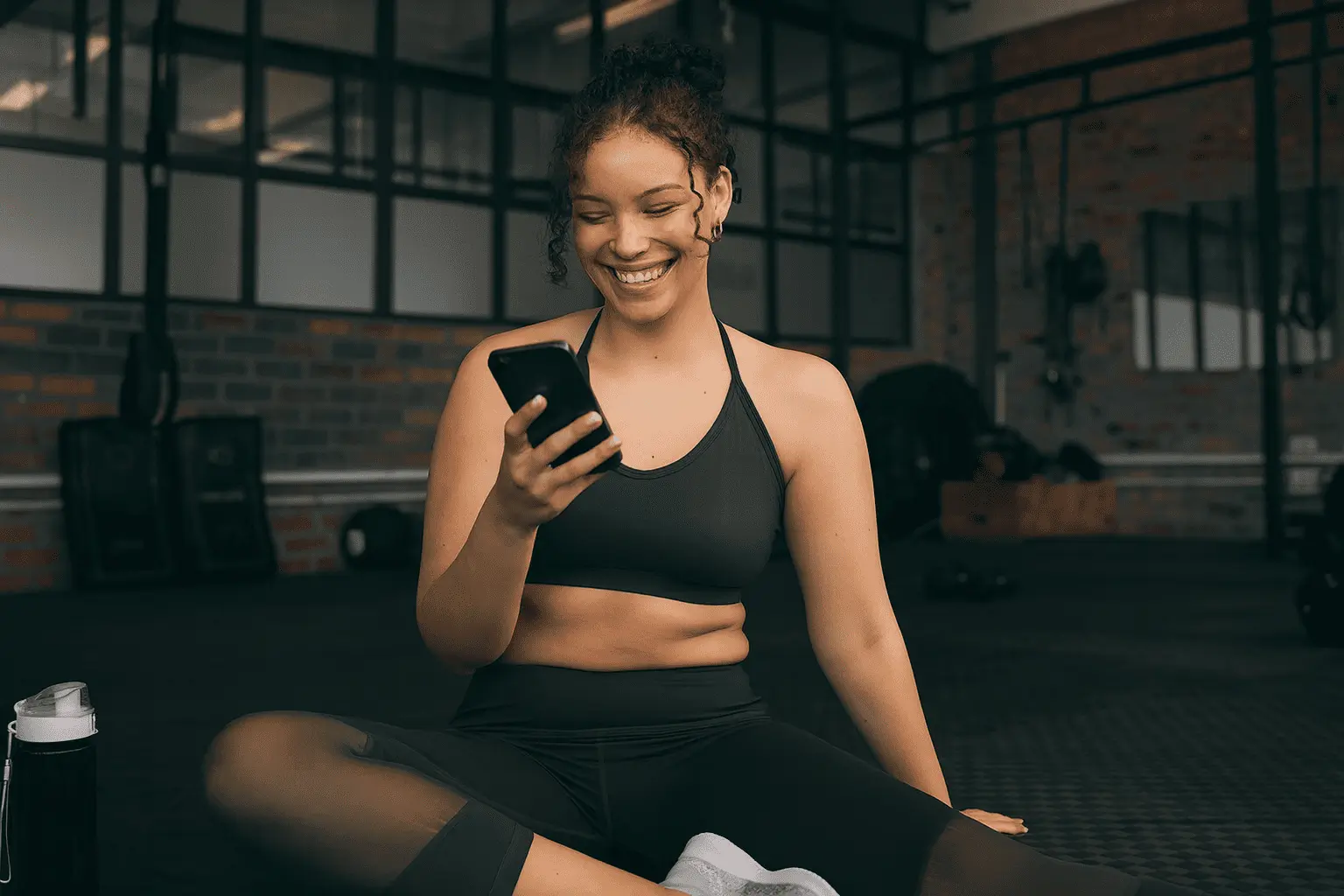
And if you want that structure without spending hours planning, it’s easy to follow a training program using the Fitsse app—so your workouts, progression, and weekly routine are organized in one place, even on your busiest days.
Important notice: this content is educational and does not replace an individual evaluation. If you have a history of eating disorders, diabetes, pregnancy, or a medical condition, consult a healthcare professional before making dietary or exercise changes.









 Sign In