

There is a stubborn myth in fitness that a workout has to be loud to be effective.
It has to involve jumping, sprinting, pounding, gasping, sweating through your shirt, and collapsing dramatically at the end. If your knees are not aching and your lungs are not burning, the thinking goes, perhaps you did not work hard enough.
But that is not how the body works.
A workout does not need to punish your joints to strengthen your muscles. It does not need to leave you limping to improve your heart health. And it certainly does not need to be high-impact to deliver serious results.
Low-impact exercise is often misunderstood as easy exercise. It can be gentle, yes. It can be beginner-friendly. It can be a smart choice for people recovering from injury, returning to fitness, managing joint pain, or simply trying to move more consistently. But low-impact does not mean low-effort.
Done well, low-impact workouts can build strength, improve endurance, support weight loss, increase mobility, protect your joints, and help you stay active for years — not just for a few intense weeks before burnout arrives.
The difference is simple: low-impact exercise reduces stress on the joints, especially the knees, hips, ankles, and lower back. It usually keeps at least one foot on the ground or removes pounding altogether. But your muscles, lungs, and heart can still work hard.
That combination is powerful. It allows you to train with intensity without constantly beating up your body.
Here are six low-impact exercises that prove you do not need to jump to make progress.
1. Walking
Walking is so ordinary that many people forget it counts.
It does not come with dramatic before-and-after promises. It does not require a coach yelling through a screen. It does not need special equipment, other than a decent pair of shoes. And yet walking remains one of the most useful forms of exercise available.
A brisk walk can raise your heart rate, improve circulation, support fat loss, strengthen the legs, reduce stiffness, and help clear the mind. It is accessible, scalable, and easy to repeat. That last part matters more than people think.
Fitness is often less about the most impressive workout and more about the one you can do again tomorrow.
Walking is especially valuable because it fits into real life. You can walk before work, after dinner, during a lunch break, while taking a phone call, or as a way to transition out of a stressful day. It does not require changing your entire schedule. It can become part of the architecture of your life.
To make walking more effective, treat it with intention. Pick up the pace. Stand tall. Swing your arms. Choose a route with hills. Add intervals by alternating two minutes of brisk walking with one minute of easier walking. Carry light weights only if it does not alter your posture. Better yet, use hills or speed before adding load.
Walking is also a useful recovery tool. On days when your body feels tired from strength training or harder workouts, a walk can keep you moving without adding unnecessary stress.
The mistake is thinking walking only “counts” if it is long. Ten minutes matters. Twenty minutes matters. A few short walks across the day can add up quickly.
Walking may not look like a serious workout. But done consistently, it can quietly change your health.
2. Swimming
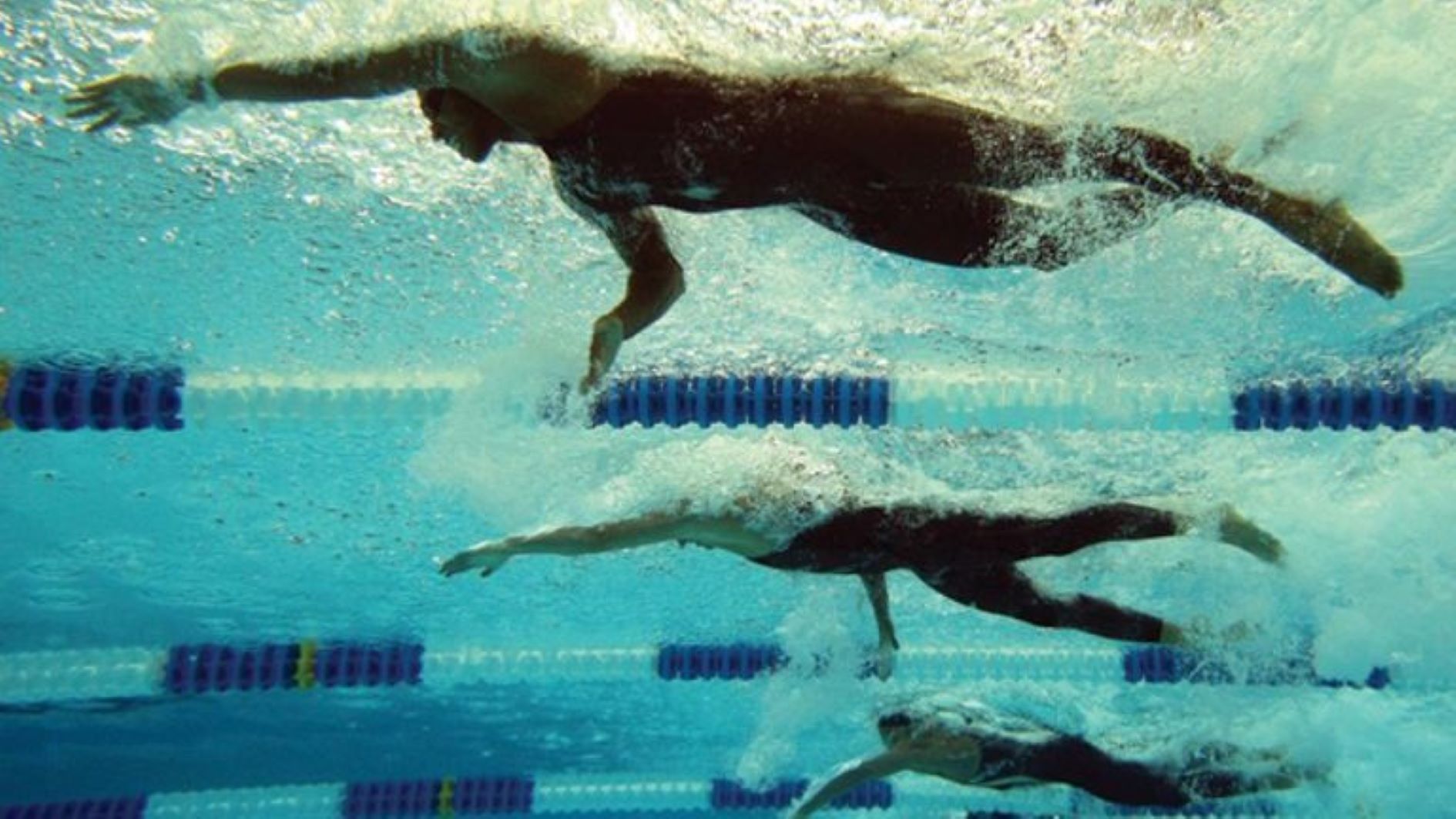
Swimming is one of the rare exercises that can feel both demanding and forgiving.
The water supports your body, reducing impact on the joints while creating resistance in every direction. Your arms, legs, back, shoulders, core, and lungs all have to participate. Even an easy swim can leave you feeling as if every muscle has been politely asked to wake up.
That is the beauty of swimming: it is low-impact, but not passive.
For people with knee pain, hip discomfort, back sensitivity, or a history of injury, swimming can provide a way to train hard without the pounding that comes from running or jumping. It is also useful for people who carry more body weight and may find certain land-based workouts uncomfortable at first.
Swimming challenges the cardiovascular system while strengthening the body through resistance. Each stroke requires coordination, breathing control, and rhythm. You cannot muscle your way through the water for long. Efficiency matters. Technique matters. Calm matters.
Beginners do not need to swim endless laps. Start with intervals. Swim one length of the pool, rest, and repeat. Or alternate between swimming and walking in the shallow end. Water jogging, flutter kicks with a kickboard, and gentle treading can all be effective.
If lap swimming feels intimidating, aquatic fitness classes are another option. They may look easy from the outside, but the resistance of the water can make even simple movements surprisingly challenging.
The key is to start where you are. If your breathing feels rushed, slow down. If one stroke bothers your shoulder, try another. If swimming laps is too much, begin with water walking.
Swimming rewards patience. Over time, you will notice better endurance, stronger shoulders and back, improved breathing, and less stiffness after workouts.
It is one of the best reminders that exercise does not have to be hard on the body to be hard work.
3. Cycling
Cycling is a classic low-impact exercise for a reason: it lets you work your heart and legs without repeatedly striking the ground.
Whether you ride outdoors, use a stationary bike, or join a cycling class, the movement is smooth and joint-friendly when properly set up. The bike carries much of your body weight, which can make cycling more comfortable than running for many people.
But comfortable does not mean easy.
A cycling workout can be as gentle or as demanding as you make it. You can ride at a relaxed pace for endurance, increase resistance for strength, or use intervals to challenge your cardiovascular fitness. A few minutes of hard effort on a bike can humble almost anyone.
Cycling primarily trains the lower body: quadriceps, hamstrings, glutes, and calves. But posture and core engagement matter too. A strong, stable torso helps you ride efficiently and avoid collapsing into the handlebars.
Proper bike fit is important. If the seat is too low, your knees may feel crowded and irritated. If it is too high, your hips may rock. As a general rule, your knee should have a slight bend at the bottom of the pedal stroke. You should feel supported, not cramped.
For beginners, start with 20 to 30 minutes at a pace that lets you breathe harder but still maintain control. As your fitness improves, add intervals. Try one minute of stronger effort followed by two minutes of easy riding, repeated six to eight times.
Outdoor cycling adds fresh air and variety, but stationary cycling has its own advantages. It is safe from traffic, easy to measure, and available regardless of weather. It also lets you control resistance precisely.
Cycling can be especially helpful for people who want to improve cardio fitness while minimizing joint stress. It is also a strong option for cross-training, giving runners and athletes a way to build endurance without adding more impact.
The results can be serious: stronger legs, better stamina, improved heart health, and a workout routine that feels sustainable rather than punishing.
4. Rowing
Rowing is often overlooked, partly because the machine sitting in the corner of the gym looks slightly mysterious.
That is a mistake.
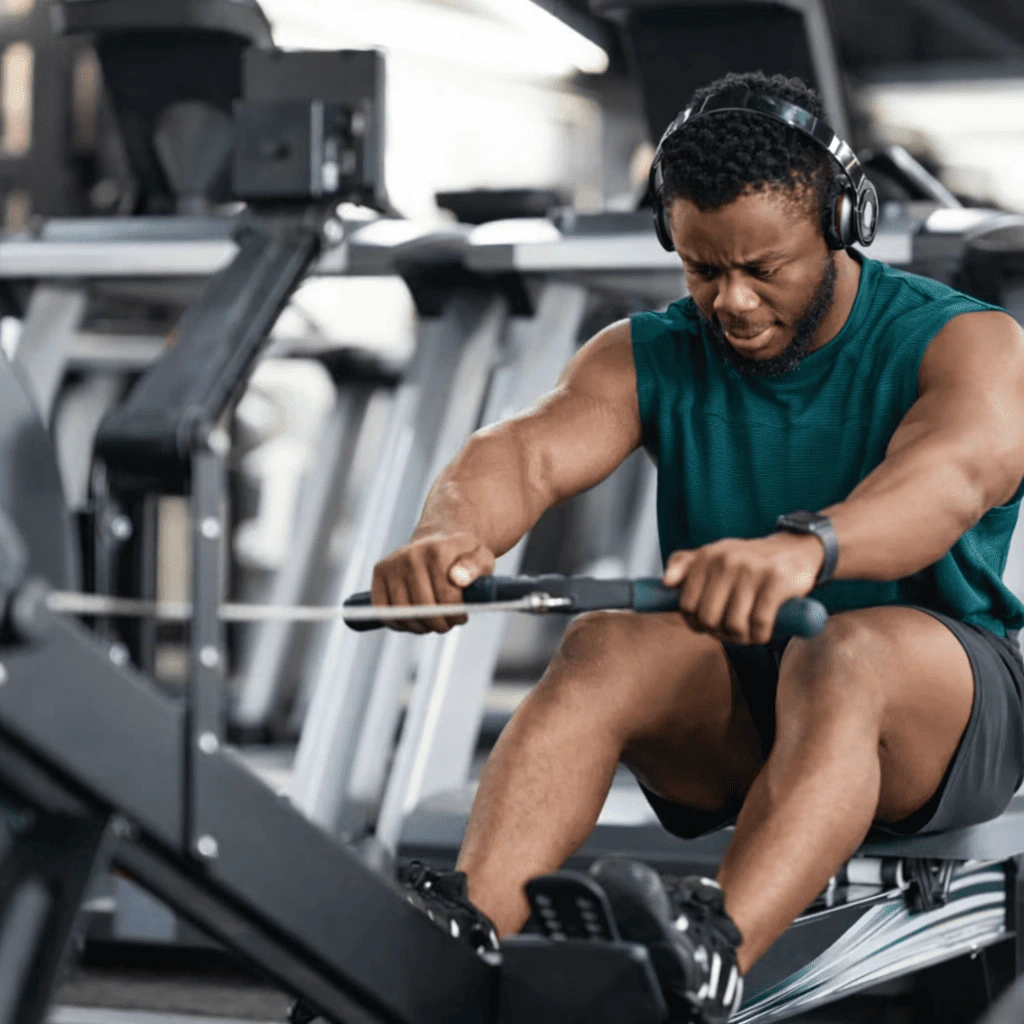
Rowing is one of the most efficient low-impact exercises you can do. It trains the legs, glutes, back, arms, shoulders, and core while also challenging the cardiovascular system. Few exercises combine strength and endurance so well with so little joint pounding.
The movement is smooth when done correctly. You push with the legs, hinge slightly through the hips, pull with the arms, then reverse the sequence. Legs, body, arms. Arms, body, legs.
Many beginners get this wrong by turning rowing into an arm exercise. They yank the handle, round the back, and move quickly without rhythm. That makes the workout less effective and more uncomfortable.
Good rowing is controlled. Most of the power should come from the legs. The core keeps the torso stable. The back and arms finish the movement. The recovery should be patient, not rushed.
Rowing is demanding because it uses so much muscle at once. That makes it excellent for people who want a serious workout without jumping or running. It can raise your heart rate quickly, build muscular endurance, and improve posture when performed with good technique.
Start with short sessions. Five to ten minutes may be plenty at first. Focus on form before intensity. Once you are comfortable, try intervals: row moderately for two minutes, then harder for one minute, and repeat.
You can also use rowing as part of a circuit, alternating it with strength exercises like squats, presses, or carries. Because it is low-impact, it pairs well with other movements without overwhelming the joints.
The best rowers do not always look frantic. They look smooth. That smoothness is the point. Rowing teaches power without chaos.
For anyone who wants a workout that feels athletic, efficient, and joint-friendly, rowing deserves a place in the routine.
5. Pilates
Pilates does not rely on speed, impact, or heavy weights. That may be why some people underestimate it.
Then they try it.
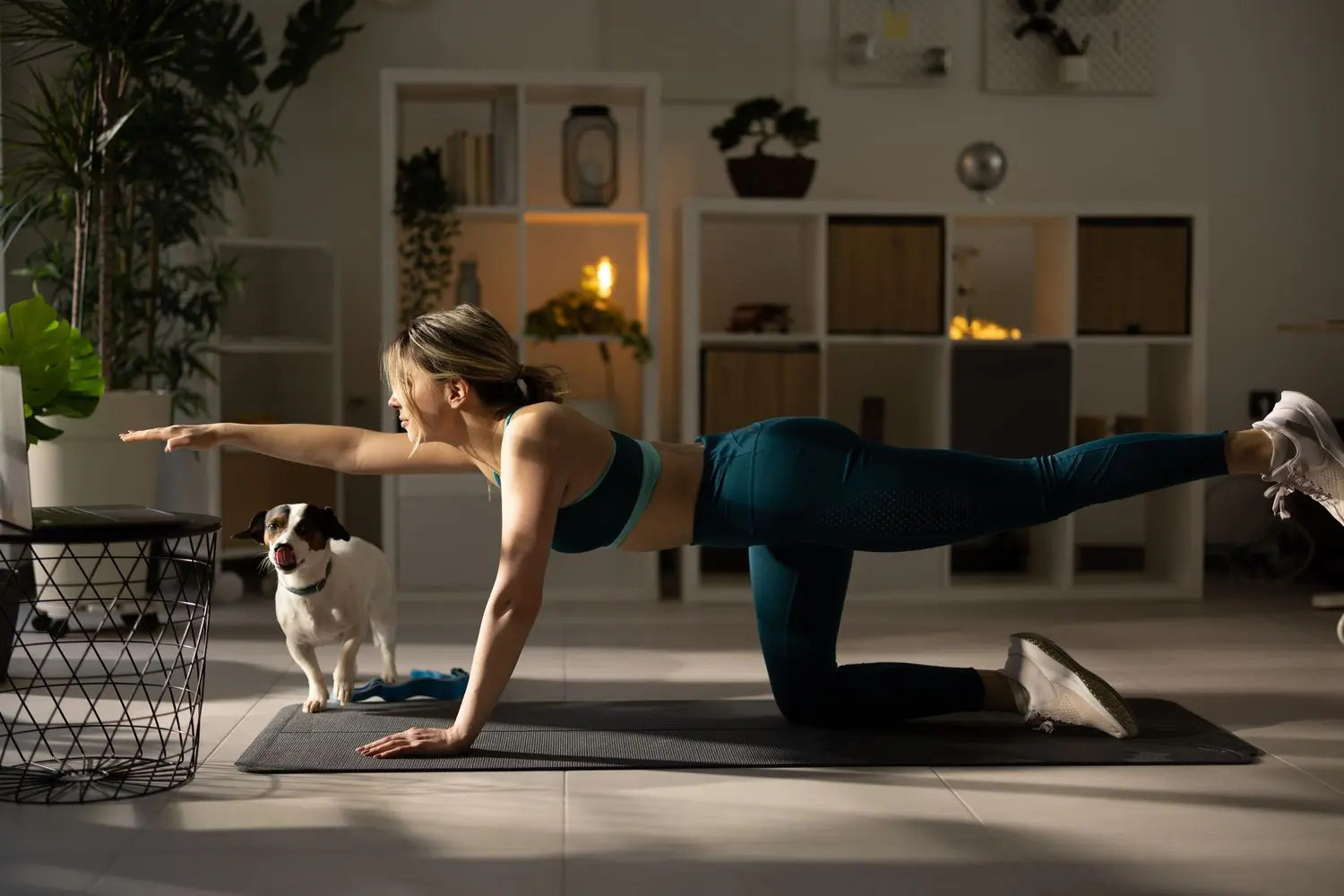
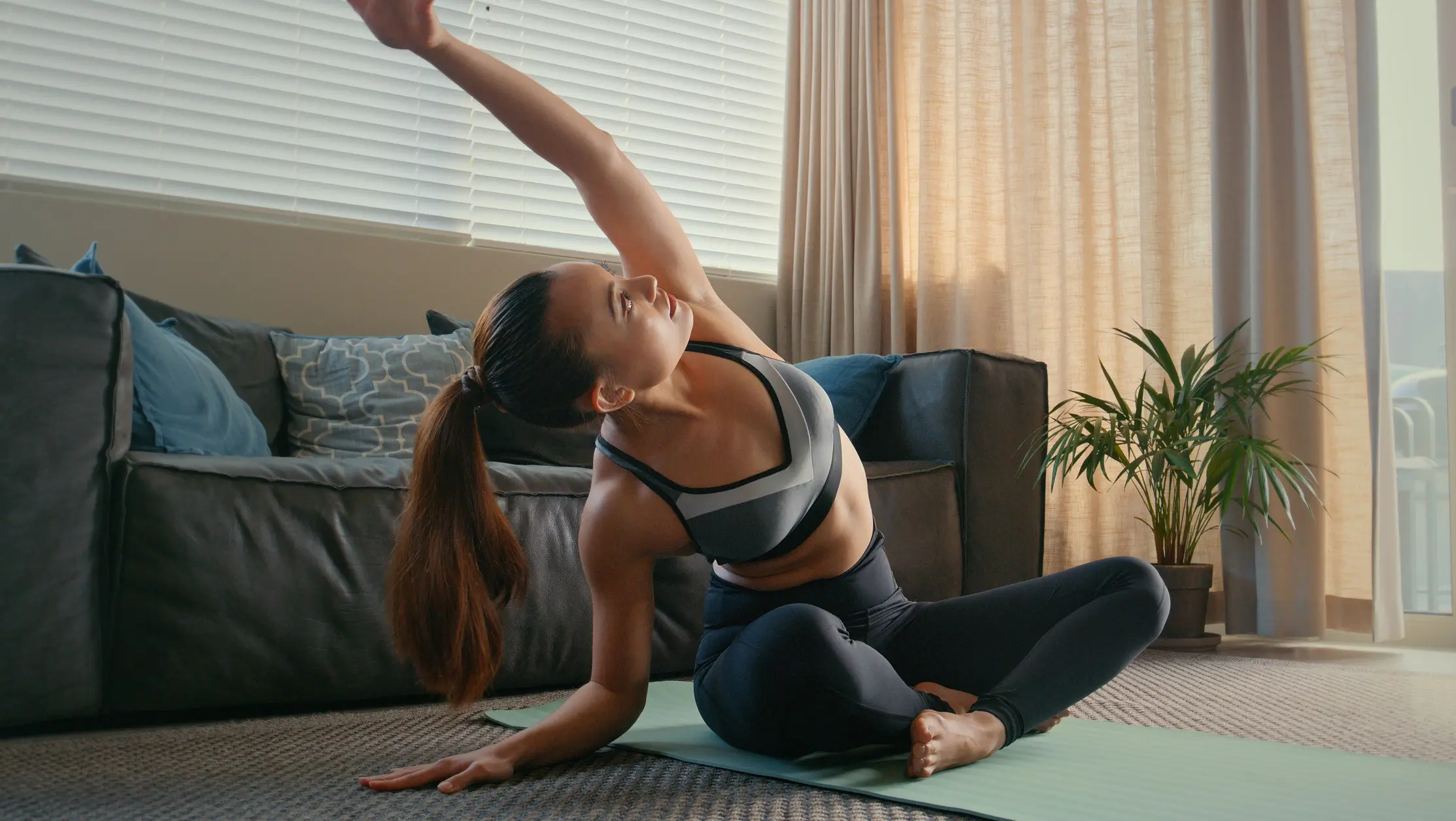
A well-designed Pilates session can challenge the core, hips, glutes, back, shoulders, and deep stabilizing muscles in ways that feel subtle at first and unforgettable the next day. The movements are controlled, precise, and often small. But small does not mean easy.
Pilates is built around alignment, breath, control, and strength through range of motion. It trains the body to move with awareness. That makes it especially useful for posture, core stability, mobility, and injury prevention.
Unlike workouts that push you to move faster when you get tired, Pilates often asks you to slow down. That can be humbling. Without momentum, your muscles have to do the work honestly.
Exercises like bridges, leg circles, side-lying leg lifts, planks, roll-ups, and controlled holds can build strength without stressing the joints. Many Pilates movements are done on a mat, though reformer Pilates uses spring-based resistance for a more equipment-driven experience.
Pilates is particularly helpful for people who sit for long hours. It strengthens the muscles that support the spine and hips, encourages better posture, and improves body awareness. You begin to notice how you stand, how you breathe, how your ribs flare, how your pelvis tilts, and how your shoulders creep toward your ears during stress.
That awareness can change how you move all day.
For beginners, a short mat routine two or three times a week can be enough to start. Focus on quality over difficulty. The goal is not to force your body into impressive shapes. The goal is to create strength and control.
Pilates can also complement other forms of fitness. Runners use it to improve core stability. Lifters use it to improve control and mobility. People returning from injury often use it to rebuild strength gradually.
It is quiet work. But quiet work can be powerful.
6. Strength Training With Controlled Movements
Strength training is not always thought of as low-impact, but it can be one of the best low-impact options available.
The key is choosing controlled movements and performing them with good form.
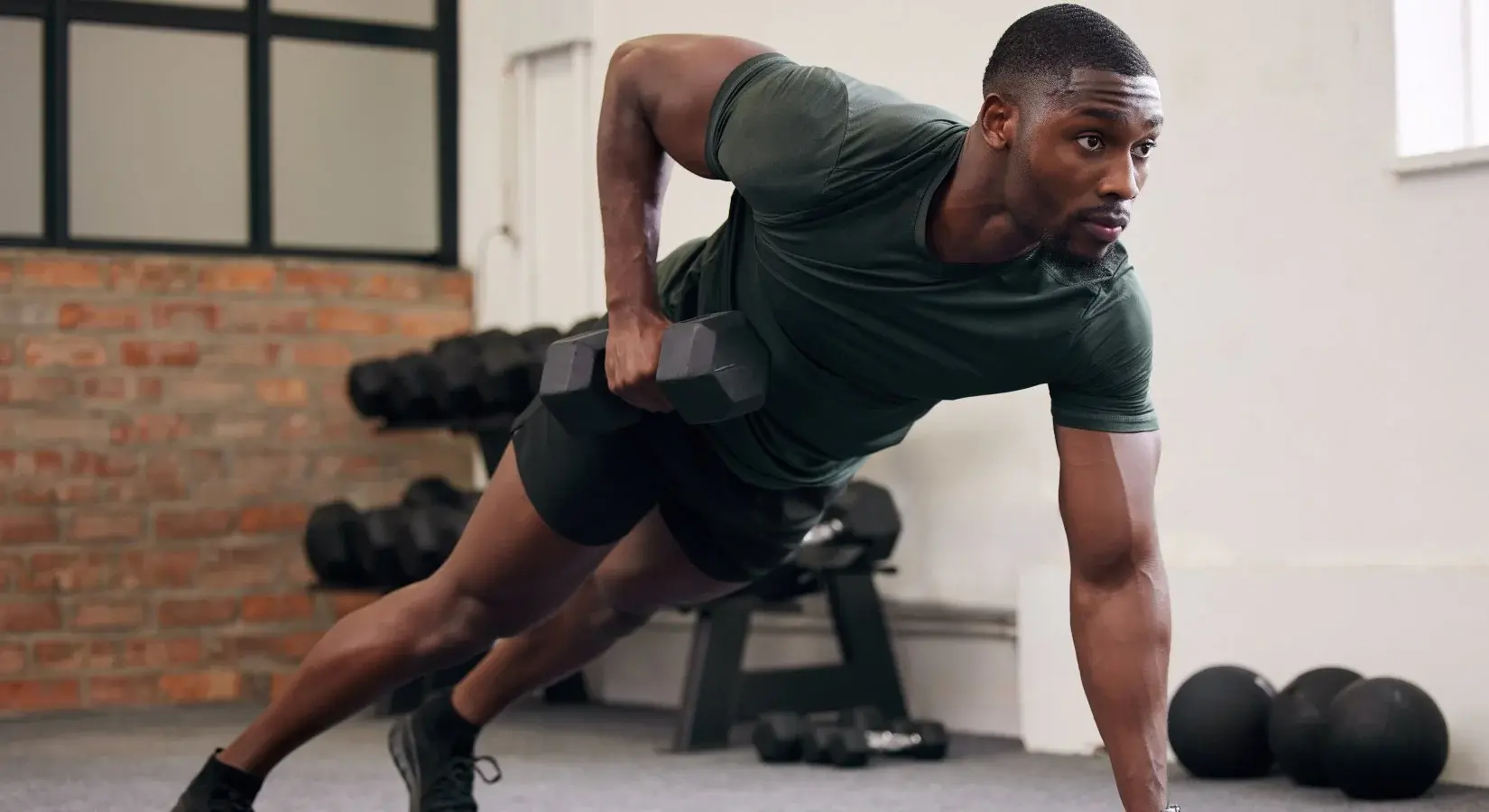
A squat does not have to include a jump. A lunge does not have to be explosive. A push-up does not have to be rushed. Resistance bands, dumbbells, machines, kettlebells, and bodyweight exercises can all build serious strength without pounding the joints.
Strength training helps preserve and build muscle, support bone health, improve balance, increase metabolism, and make daily tasks easier. It is also one of the most practical forms of exercise because its benefits show up everywhere.
Carrying groceries. Climbing stairs. Getting off the floor. Moving furniture. Picking up a child. Protecting your back when lifting something awkward.
Low-impact strength training can include exercises like glute bridges, step-ups, Romanian deadlifts, wall sits, seated rows, chest presses, goblet squats, farmer’s carries, and resistance band pulls. These movements train the body without requiring jumping or high-speed transitions.
The intensity comes from resistance, tempo, and control.
For example, a slow squat can be far more challenging than a fast one. Lower for three seconds, pause briefly, then stand with control. Your legs will understand the assignment quickly.
Strength training also allows for progression. You can add weight, increase reps, slow the tempo, improve range of motion, or reduce rest time. Progress does not require impact. It requires a smart challenge.
Beginners should start with two or three full-body sessions per week. Choose a handful of basic movements: a squat pattern, a hinge pattern, a push, a pull, a carry, and a core exercise. Keep the form clean and the effort moderate. Build gradually.
The goal is not to leave the gym destroyed. The goal is to leave stronger than when you arrived.
Why Low-Impact Exercise Works
Low-impact training works because the body responds to effort, not noise.
Your muscles do not know whether you are jumping or not. They know tension, resistance, fatigue, and recovery. Your heart does not know whether you are sprinting on pavement or cycling uphill. It knows demand. Your joints, however, know impact very well.
That is the advantage.
Low-impact exercise lets you create enough demand to improve fitness while reducing some of the stress that can make people quit. This can make it easier to stay consistent, especially for beginners, older adults, people managing pain, or anyone who has learned the hard way that more intensity is not always better.
It also gives you more options. You can train hard on a bike one day, walk the next, lift weights the day after that, and add Pilates or swimming for recovery and control. A well-rounded low-impact routine can be varied, challenging, and sustainable.
And sustainability is not a small thing. The best workout plan is not the one that looks impressive for two weeks. It is the one your body can tolerate, your schedule can hold, and your mind does not dread.
A Simple Weekly Low-Impact Workout Plan
A strong low-impact routine does not need to be complicated.
Try this structure:
Monday: Strength training
Tuesday: Brisk walking or cycling
Wednesday: Pilates or mobility work
Thursday: Rowing intervals or swimming
Friday: Strength training
Saturday: Long walk, easy bike ride, or swim
Sunday: Rest or gentle stretching
This gives you a mix of strength, cardio, mobility, and recovery. It also avoids doing the same thing every day, which can reduce overuse and boredom.
Adjust based on your body. If rowing irritates your back, choose cycling. If swimming bothers your shoulder, walk. If squats bother your knees, modify the range or use a chair. Low-impact exercise is not one rigid category. It is a toolbox.
Use the tools that work for you.
The Bottom Line
Low-impact exercise is not a compromise. It is a strategy.
It allows you to train your heart, build muscle, improve mobility, and stay active without treating joint pain as the price of progress. It can be gentle when you need gentleness and intense when you are ready for intensity.
Walking, swimming, cycling, rowing, Pilates, and controlled strength training all deliver real results. Not because they are trendy or extreme, but because they can be repeated. They give the body a challenge it can recover from.
That is where fitness lives — not in the punishment, but in the return.
You do not need to jump higher, run harder, or suffer more to prove that your workout matters. You need to move well, challenge yourself honestly, and keep showing up.
The results will come from there.
Important notice: this content is educational and does not replace an individual evaluation. If you have a history of eating disorders, diabetes, pregnancy, or a medical condition, consult a healthcare professional before making dietary or exercise changes.


 Sign In