



Wellness has a branding problem.
Somewhere along the way, the idea of “feeling better” got packaged into a lifestyle overhaul: a dawn alarm, a blender that sounds like a jet engine, a color-coded supplement organizer, and a vision board that implies you’ve been living incorrectly. It’s persuasive in the way glossy things often are — aspirational, clean, and slightly accusatory.
But most people aren’t failing at wellbeing because they don’t have enough discipline. They’re failing because they’re tired, busy, and doing their best inside a life that already feels full. The problem isn’t a lack of willpower. It’s the assumption that improvement requires a renovation.
It doesn’t.
The body is not a spreadsheet, and the mind is not a device that needs a factory reset. For many of us, wellbeing improves in smaller ways: modest habits that don’t demand new identities, just small, repeated choices that make the day feel a little more inhabitable.
Below are six daily habits — practical, human-scaled — that can improve wellbeing without turning your life into a project. They won’t solve everything. But they can make things noticeably easier, which is often what people mean when they say they want to feel better.
The goal isn’t perfection. The goal is a little more steadiness, a little more energy, a little more peace in the middle of ordinary life.
Habit 1: Start the Day With Light — Not Your Phone
You don’t have to become a “morning person” to benefit from the morning. You just have to give your brain a clearer signal that the day has begun.
In the first minutes after waking, your body is transitioning from sleep chemistry to daytime chemistry. Light, especially natural daylight, helps regulate that shift. Screens, meanwhile, deliver a different kind of jolt: information, emotion, comparison, and a sense — sometimes subtle, sometimes immediate — that you’re already behind.
A small change is enough here. You don’t need a sunrise hike or a complicated routine. You need a cue.
Try this (2–5 minutes):
- Open a window, step onto a balcony, or stand outside your door.
- Let daylight hit your eyes (no staring at the sun; just ambient light).
- Take a few slow breaths and let your shoulders drop.
If you can walk for five minutes, even better. If you can’t, the light still counts.
Why it helps:
Daylight early in the day can support your circadian rhythm, which influences energy, mood, and sleep timing. The phone, especially first thing, tends to pull attention outward before you’ve even checked in with yourself.
Make it realistic:
If you wake up and your phone is already in your hand, don’t turn it into a moral failure. Put it down, get the light anyway, and move on. Wellness is not a purity contest.
Habit 2: Drink Water Like an Adult, Not Like a Camel
Hydration advice often sounds like something a gym trainer shouts across a room. Drink more water. Carry a bottle. Add electrolytes. Track your ounces. The tone can be weirdly intense for a habit that should be gentle.
The truth is simpler: mild dehydration can make you feel worse than you need to — foggier, crankier, more tired — and many people go most of the day in that slightly-off state without realizing it.
You don’t need to guzzle. You just need a rhythm.
Try this (no measuring required):
- Drink a glass of water after waking.
- Drink a glass with lunch.
- Drink a glass mid-afternoon.
That’s it. Three reliable moments. No apps. No guilt.
If you already drink coffee in the morning, pair the water with it like a side dish. If you’re someone who forgets, leave a glass on the counter the night before — a quiet prompt waiting for you.
Why it helps:
Hydration supports circulation, digestion, temperature regulation, and basic cognitive function. Also: thirst sometimes shows up as “I feel off,” not “I want water.”
Make it realistic:
If plain water feels boring, add lemon, mint, cucumber, or a splash of juice. The point is the habit, not the aesthetic.
Habit 3: Move for Ten Minutes, Every Day — and Keep It Small Enough to Do
Exercise is often presented as a dramatic event: a before-and-after story, a sweaty transformation, a fresh start on Monday. But movement is more like brushing your teeth. It works best when it’s normal.
Ten minutes of daily movement will not turn you into a different person overnight. But it can change the texture of your day. It can ease stiffness, improve mood, help regulate stress, and make your body feel more like a place you live in — not a thing you drag around.
The best kind of movement is the one you’ll repeat.
Try this (10 minutes):
Pick one:
- A brisk walk around the block
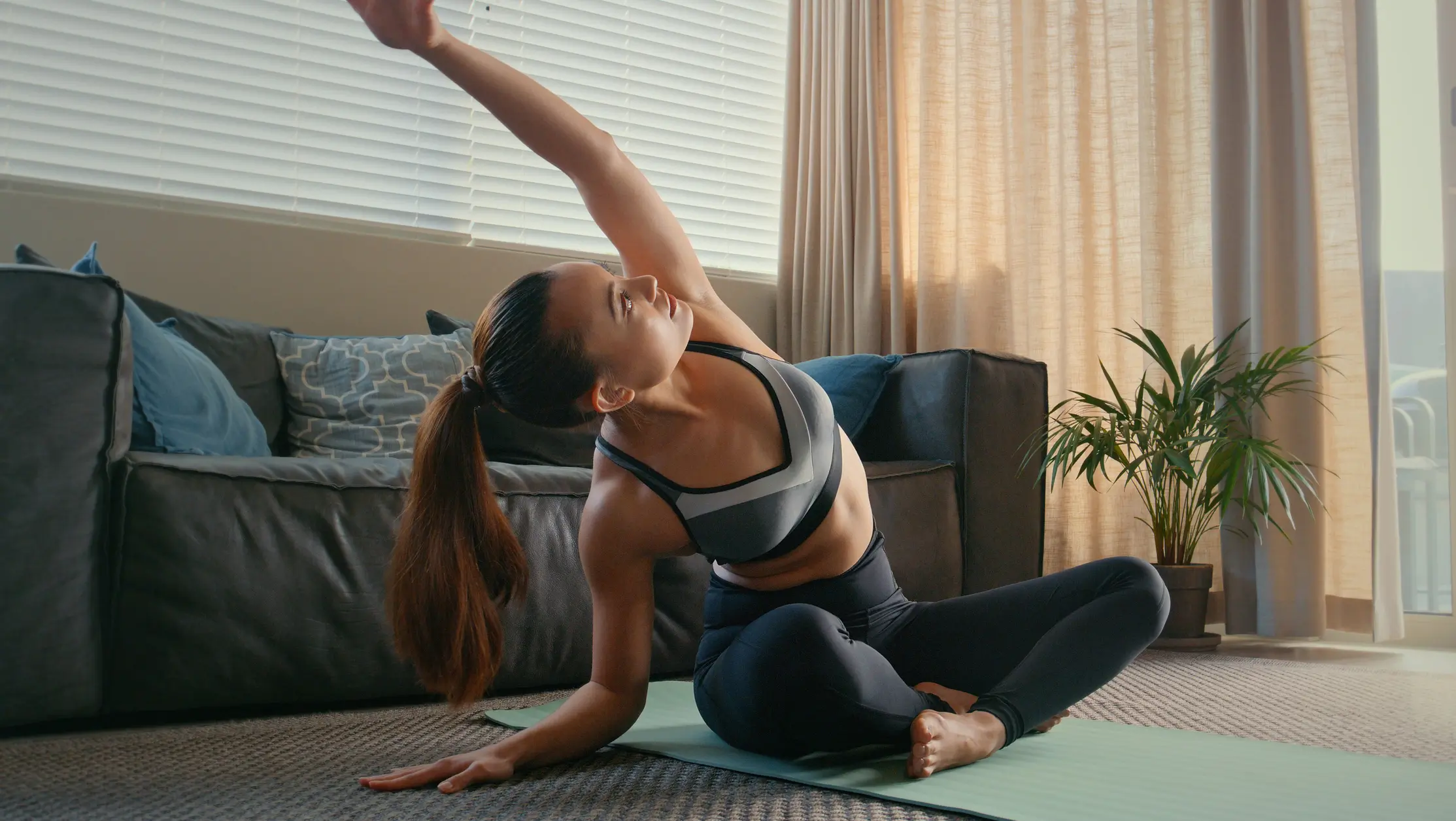
- A short yoga flow (cat-cow, downward dog, lunges, forward fold)
- A simple circuit: 10 squats, 10 wall push-ups, 20-second plank — repeat
- A dance break while you cook dinner
If you’re sedentary, start with five minutes. If you’re already active, make it a “minimum dose” on busy days so you don’t fall into the all-or-nothing trap.
Why it helps:
Movement supports cardiovascular health, joint mobility, and mental health. It also interrupts long stretches of sitting, which can make the body feel stiff and the mind feel sluggish.
Make it realistic:
Lower the stakes. Tell yourself: I’m just going to put on my shoes. Action often follows.
Habit 4: Eat One “Protective” Meal a Day
Nutrition advice can be exhausting, partly because it tends to treat food as a test you’re always failing. Cut this. Avoid that. Don’t eat after a certain hour. Count everything. Optimize.
There is a kinder way to improve nutrition: add one meal a day that protects you. A meal built to support energy and mood — not punish you — with a few reliable elements.
Think of it as a foundation meal, not a perfect meal.
The protective plate (simple formula):
- Protein: eggs, yogurt, beans, chicken, tofu, fish
- Fiber: vegetables, fruit, oats, whole grains, legumes
- Healthy fats: olive oil, nuts, seeds, avocado
- Color: at least one bright plant food
You can do this at breakfast (Greek yogurt + berries + nuts), lunch (beans + rice + salad), or dinner (salmon + vegetables + potatoes). If you eat one protective meal, the rest of your day tends to go better — less snacking driven by desperation, fewer energy crashes, a steadier mood.
Why it helps:
Balanced meals help stabilize blood sugar, support satiety, and reduce the “hangry” swings that make everything feel harder than it is.
Make it realistic:
Don’t overhaul your pantry. Pick three go-to meals and rotate them. Repetition is underrated and deeply freeing.
Habit 5: Create a Daily “Friction Break” for Your Mind
Most stress isn’t dramatic. It’s cumulative.
It comes from small pressures that don’t resolve: unread messages, low-level worry, background noise, a brain that never stops running. People often try to address this with big self-care gestures — a retreat, a weekend reset, a perfect meditation practice.
But the mind often benefits more from small interruptions — tiny moments where you reduce friction and signal: you can soften now.
Try one friction break (2–3 minutes) once or twice a day:
- Physiological sigh: inhale through the nose, take a second short inhale, then exhale slowly through the mouth
- Box breathing: inhale 4, hold 4, exhale 4, hold 4 — repeat
- Shoulder drop + jaw release: intentionally relax shoulders, unclench jaw, let tongue rest
- Five senses check-in: name 5 things you see, 4 you feel, 3 you hear, 2 you smell, 1 you taste
These are not dramatic practices. They are quiet resets. They work because they interrupt spirals and help bring the nervous system down a notch.
Why it helps:
Short breathing practices can shift physiological arousal — you’re not “thinking” your way out of stress; you’re lowering the volume in the body so the mind can follow.
Make it realistic:
Link it to something you already do: after you send an email, before you eat lunch, when you wash your hands, when you get in the car.
Habit 6: Put a Soft Fence Around Your Evening
Evenings often dissolve. The day ends, and instead of landing, you drift: more scrolling, more snacking, more half-work, more low-grade stimulation. Then bedtime arrives, and you’re not sleepy — you’re wired and vaguely unsettled.
You don’t need a strict bedtime routine. But you do need a boundary — a soft fence that tells your brain the day is closing.
This habit isn’t about being virtuous. It’s about making tomorrow easier.
Try this (15–30 minutes before sleep):
Pick one:
- Dim the lights and put your phone on the charger across the room
- Take a warm shower and change into sleep clothes
- Do a five-minute stretch: legs up the wall, child’s pose, forward fold
- Write down three things: what you did today, what can wait, what matters tomorrow
- Read a few pages of a book (not a productivity book; something that feels like a story)
If you can reduce stimulation, even slightly, sleep often improves. And when sleep improves, everything improves — mood, appetite regulation, resilience, patience.
Why it helps:
Your brain needs a transition from “input mode” to rest. Screens and constant stimulation keep the nervous system engaged.
Make it realistic:
If you can’t avoid screens, change the context: watch something calm, lower brightness, and set a firm stop time. Boundaries can be gentle and still real.
How to Make These Habits Stick (Without Becoming a Different Person)
Here’s the part wellness culture often leaves out: habits don’t fail because people are lazy. They fail because people make them too big, too brittle, too tied to mood.
A sustainable approach looks boring — which is why it works.
1) Pick two habits, not six
Start with:
- one habit for the morning (light, water, 10-minute movement)
- one habit for the evening (soft fence, friction break)
Do those for a week. Then add another.
2) Attach habits to existing anchors
Instead of “I’ll meditate daily,” try:
- “After I make coffee, I stand by the window for light.”
- “After lunch, I walk for ten minutes.”
- “When I plug in my phone, I do three slow breaths.”
Anchors beat motivation.
3) Aim for “good enough”
Wellbeing isn’t a score. It’s support. A five-minute walk counts. A protective meal counts even if it’s not Instagram-ready. A friction break counts even if your mind is still noisy afterward.
4) Track with feelings, not numbers
Ask:
- Do I feel less tense?
- Is my energy steadier?
- Do I sleep a little better?
- Am I snapping at people less?
Data is useful, but lived experience is the point.
A Quiet Truth About Wellbeing
People tend to imagine that feeling better requires a dramatic change — a “new me.” But most of the time, the opposite is true. You don’t need a new life. You need a slightly more supportive version of your current one.
And the habits that change wellbeing aren’t always the ones that look impressive. They’re the ones that reduce unnecessary struggle.
Light in the morning. Water at reliable moments. Ten minutes of movement. One meal that supports you. A small reset for your nervous system. A soft fence around the evening.
No overhaul. No reinvention. Just a gentler, steadier way to live inside the day you already have.
Important notice: this content is educational and does not replace an individual evaluation. If you have a history of eating disorders, diabetes, pregnancy, or a medical condition, consult a healthcare professional before making dietary or exercise changes.










 Sign In