
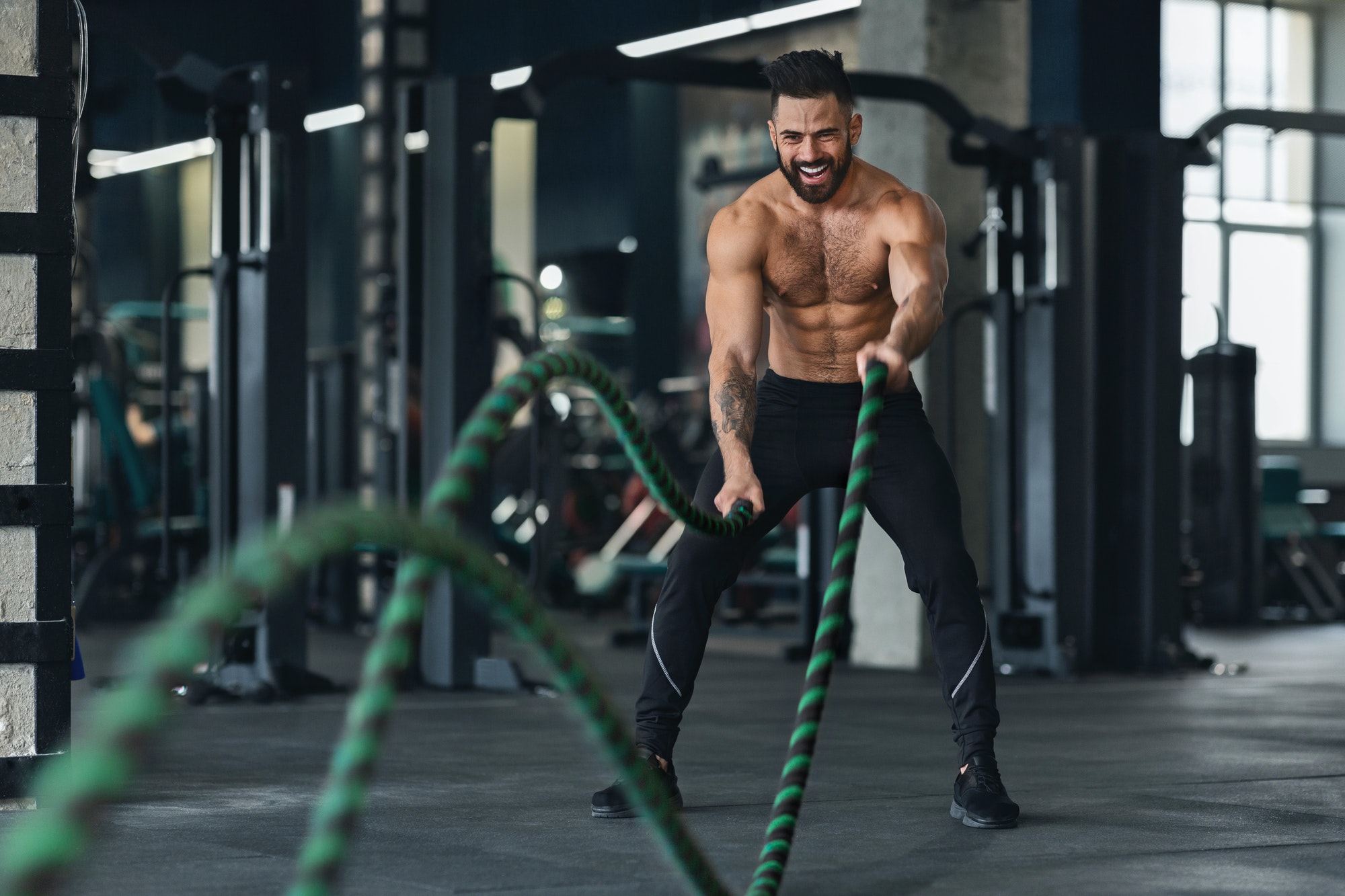

CrossFit has a particular kind of seduction: the feeling that you can compress a lot of fitness into a short block of time, that you can show up tired and leave feeling sharper, that effort — honest, sweaty effort — is its own form of competence. For many people, it’s the first training environment that makes them feel like an athlete again, even if the last time they were called that was in high school.
It also has a built-in temptation: to chase intensity before you have the skills to control it.
Intensity isn’t inherently reckless. Done well, it’s just focus, speed and power applied to movement you can own. Done early — before your positions are stable, before your breathing is organized, before your shoulders and hips have learned what “safe” feels like — it becomes something else: a way to turn workouts into a weekly negotiation with soreness, tweaks, and the quiet fear that you’re one rushed rep away from a problem.
CrossFit, at its best, is not chaos. It’s precision done fast. That’s why the best athletes in the sport look calm even when they’re moving quickly. They’ve put in time on unglamorous skills: how to receive a bar, how to cycle a kettlebell without yanking, how to keep a neutral spine when fatigue tries to pull it out of them, how to breathe at threshold without panicking.
Before you add intensity, practice the skills that make intensity safe and repeatable.
Below are six CrossFit skills worth practicing deliberately — not just “in the warm-up,” but as real training. You can treat them like language drills: short sessions, high attention, lots of reps done well. You don’t need to live in technique forever. But the time you spend here pays back with better workouts later — the kind where you can push hard without feeling like you’re borrowing from your joints.
1) The Hip Hinge (and the Ability to Keep Your Back Quiet)
Why it’s worth practicing: The hinge is everywhere: deadlifts, kettlebell swings, wall balls (yes, even there), rowing, cycling a barbell, picking a weight off the floor when you’re tired. If you don’t own the hinge, CrossFit will find out quickly.
A good hinge is not simply “bend over.” It’s a specific pattern: the hips travel back, the shins stay relatively vertical, the spine stays long, and the load stays close.
When people miss it, they usually do one of two things:
- Turn everything into a squat (knee-dominant, hips barely move back), or
- Turn everything into a back bend (lumbar spine takes over, hips stay stiff).
Neither is ideal under fatigue.
What to practice
- PVC or dowel hinge: Hold a dowel along your spine — head, upper back, tailbone contact points. Hinge without losing any point.
- Tempo Romanian deadlift (RDL): Light weight, slow lower (3–5 seconds), pause at mid-shin, return.
- Kettlebell deadlift: Especially useful for learning to keep the bell close and the torso organized.
Key cues
- “Hips back, not down.”
- “Keep the ribs stacked over the pelvis.”
- “Feel hamstrings load, not lower back.”
Why it matters before intensity
If your hinge collapses when you’re breathing hard, your back becomes the shock absorber. Good athletes treat the spine like a stable bridge and ask the hips to do the work. That’s a skill, not a personality trait.
2) Front Rack Position (The Skill That Makes Everything Easier)
Why it’s worth practicing: The front rack is a posture you must repeatedly return to: cleans, thrusters, front squats, some lunges, even transitions in barbell cycling. A sloppy front rack turns heavy work into a wrist-and-shoulder fight.
A good front rack means:
- Bar rests on the shoulders/clavicles, not in the hands
- Elbows high enough to keep the torso upright
- Upper back engaged
- Wrists tolerable (not cranked into pain)
Many people avoid the front rack because it feels uncomfortable. But discomfort is often just unfamiliar mobility and a lack of positional strength. You don’t need perfect anatomy. You need a workable shelf.
What to practice
- Front rack stretch + breathing: Elbows on a rack or wall, gentle breathing to open lats/triceps.
- Front squat with a pause: Light bar, pause 2 seconds at the bottom while keeping elbows up.
- Clean catches: Practicing the receiving position with light weight.
Key cues
- “Make a shelf with your shoulders.”
- “Elbows forward, not just up.”
- “Hands are hooks, not clamps.”
Why it matters before intensity
Thrusters and cleans are not primarily arm exercises. If you’re holding the bar with your grip like you’re carrying groceries, fatigue escalates and form unravels. A stable front rack lets your legs and hips do the work while your upper body stays organized.
3) The Overhead Position (Stacking, Scapula Control, and “Quiet Ribs”)
Why it’s worth practicing: Overhead work shows up constantly: presses, push presses, jerks, snatches, overhead squats, wall balls, kettlebell work, handstand variations. The common failure pattern is the same: ribs flare, low back arches, shoulders lose position.
A good overhead position is not just “arms up.” It’s a stacked alignment:
- Wrist over elbow over shoulder
- Ribs down (not jammed, just not flared)
- Scapulae upwardly rotated and stable
- Head neutral (slightly through the window)
This is as much about the trunk as it is about the shoulders.
What to practice
- Overhead hold: Light bar or dumbbells, hold 20–40 seconds with perfect posture.
- Wall-facing handstand hold (scaled): Even partial holds teach rib position and shoulder stacking.
- Single-arm kettlebell carry overhead: Teaches stability without needing heavy load.
Key cues
- “Ribs over hips.”
- “Biceps by ears.”
- “Push the weight to the ceiling, don’t hang from it.”
Why it matters before intensity
Under fatigue, your body will seek the easiest path: arch the back, dump the ribs, let the shoulders drift. Over time, this becomes not just inefficient but risky. Practicing stacked overhead position makes high-rep overhead work feel steadier — and less like a gamble.
4) Pulling Basics: Scapular Control and Kipping Discipline
Why it’s worth practicing: Pull-ups are a cornerstone of CrossFit. Kipping pull-ups are part of the sport and the culture. But kipping is not a beginner skill — it’s a multiplier. If your shoulders can’t control basic pulling, kipping adds force to weak positions.
Before you add intensity to pull-ups (especially kipping), you want two foundations:
- Scapular control (the shoulder blades moving properly), and
- Hollow/arch body awareness (the ability to create and hold shapes).
What to practice
- Scap pull-ups: Hanging from a bar, keep arms straight and pull shoulder blades down/back slightly, then relax.
- Strict pull-up progressions: Banded, negatives, ring rows. Strength first.
- Hollow-to-arch swings: On the bar or on the floor, learning shapes.
Key cues
- “Start with the shoulders, not the elbows.”
- “Hollow is control; arch is tension.”
- “If your shapes collapse, your kip is just flailing.”
Why it matters before intensity
Kipping without scap control is like sprinting with untied shoes. You can do it for a while, but you’re courting a problem. Practice strict strength and shape discipline so that intensity becomes a choice, not a compensation.
5) Barbell Cycling Mechanics (Efficiency Over Aggression)
Why it’s worth practicing: In many CrossFit workouts, the barbell isn’t “heavy.” It’s heavy because you have to move it many times. The skill is not just strength — it’s efficiency: how to pick it up, how to breathe, how to move through positions without wasting energy.
The best athletes aren’t muscling the bar. They’re reusing momentum and returning to stable positions quickly. They receive the bar well, keep it close, and avoid unnecessary steps.
What to practice
- Touch-and-go deadlifts (light): Focus on consistent back position and bar path.
- Power clean singles with perfect reset: Build consistency.
- Thruster timing drill: Front squat + press with a clean transfer of force (legs to arms).
Key cues
- “Bar stays close.”
- “Fast elbows.”
- “Move the body around the bar, not the bar around the body.”
A practical approach
Spend 10 minutes once or twice a week doing short sets at low-to-moderate load with pristine technique. Think: sets of 3–5, long rest, attention high.
Why it matters before intensity
Intensity punishes inefficiency. If your bar path loops away, if you jump your feet wildly, if you catch everything soft and unstable, your heart rate rises faster than it should and your joints take unnecessary stress. Better mechanics let you go harder later without feeling like the workout is “breaking you.”
6) Pacing and Breathing (The Skill Nobody Brags About)
Why it’s worth practicing: This is the skill that separates “I survived” from “I trained.” Many people treat CrossFit workouts like an emotional event: go out too hot, fall apart, recover, repeat next week. It feels dramatic. It also slows progress.
Pacing is not about being conservative. It’s about choosing an effort level you can maintain, then adjusting intelligently. The best athletes don’t avoid discomfort. They delay collapse.
Breathing is the anchor. If your breath turns into panic, your movement becomes sloppy. If you can keep breathing organized, you can keep positions.
What to practice
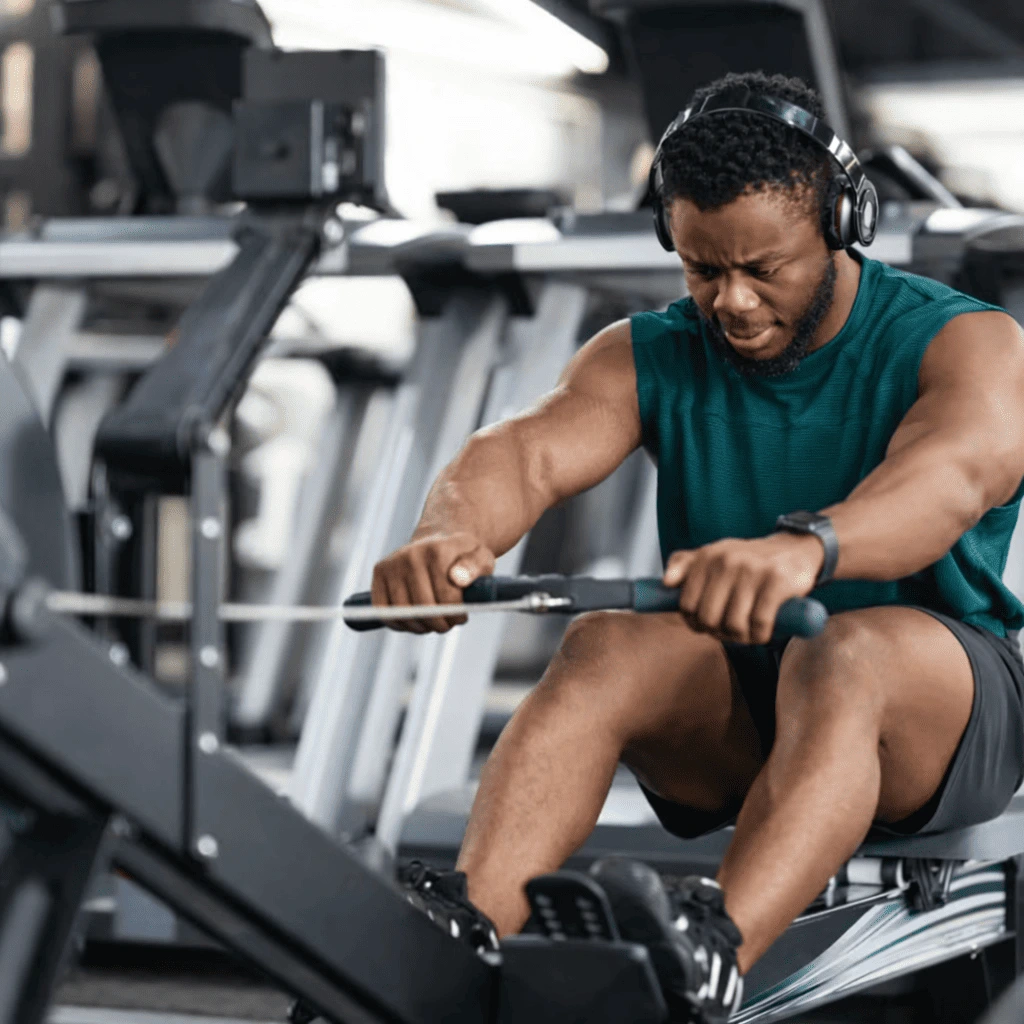
- Nasal breathing warm-ups: Easy row/bike/jog while breathing through the nose for 5–8 minutes.
- Talk-test intervals: Work at a pace where you can speak short phrases. You’re learning control at threshold.
- Mixed-modal pacing drills: For example, 5 rounds at moderate pace: 10 calories row + 10 kettlebell swings + 10 box step-ups. The goal is consistent splits.
Key cues
- “Start at a pace you’re slightly embarrassed by.”
- “Smooth is fast.”
- “Breathe out fully — especially under load.”
Why it matters before intensity
Intensity without pacing is just guessing. A well-paced workout is not less hard — it’s more productive. It lets you train consistently, which is the only thing that compounds.
How to practice these skills (without turning CrossFit into a technique class)
Skill work doesn’t have to be long. It has to be focused. Here’s a simple structure:
The 10-Minute Skill Block (2–4 times/week)
Pick one skill and do:
- 2 minutes of mobility/setup
- 6 minutes of controlled reps (sets of 3–5, or 20–30 second holds)
- 2 minutes of review or accessory support (light carries, scap work, hollow holds)
Then do your main workout.
This approach respects reality: most people have jobs, families, and limited training time. You can still get better at CrossFit without adding a second hour.
What changes when you earn intensity
The best part of skill work is that it doesn’t make you feel like a beginner forever. It makes you feel powerful faster.
When you own the hinge, swings stop feeling like a back exercise.
When your front rack is solid, thrusters stop feeling like a wrist crisis.
When overhead stacking improves, you stop finishing workouts with an angry lower back.
When your scapulae know what they’re doing, pull-ups become repeatable instead of mysterious.
When barbell cycling is efficient, workouts become tactical rather than frantic.
When you can pace, you discover a new kind of toughness: control under pressure.
CrossFit becomes less chaotic and more athletic. You don’t just work hard. You work well.
Conclusion
CrossFit rewards intensity — but only when it’s built on positions you can trust. Practicing the hinge, front rack, overhead stability, pulling discipline, barbell cycling mechanics, and pacing isn’t glamorous. It’s not the part that gets posted. It’s the part that keeps you training long enough to actually get good.
Start with ten minutes of skill work a few times a week, then earn your speed. In a sport that often celebrates “send it,” this is the quieter path — and, for most people, the smarter one.
And if you want to keep that structure simple — skill blocks, workouts, progressions, and recovery — it’s easy to follow a training program using the Fitsse app, so you always know what to practice and when to push the intensity.
Important notice: this content is educational and does not replace an individual evaluation. If you have a history of eating disorders, diabetes, pregnancy, or a medical condition, consult a healthcare professional before making dietary or exercise changes.








 Sign In