

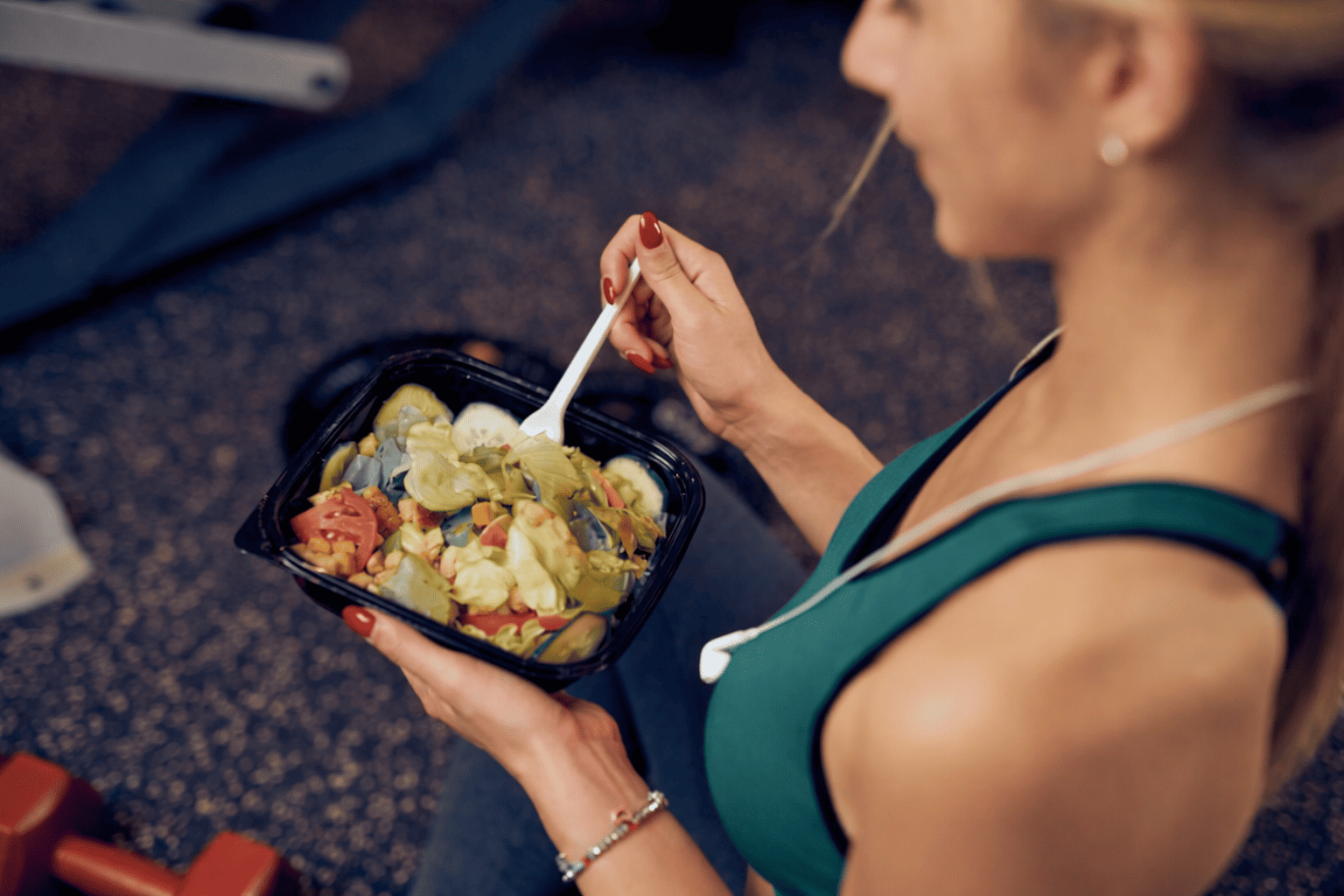

The phrase fat-burning foods has a certain cinematic appeal. It suggests a shortcut — a neat grocery-store solution to a problem that usually requires time, consistency and a little patience with your own biology. It also sells. Search engines love it. Supplement companies adore it. Social media turns it into a carousel of promises: eat this, avoid that, watch your body change.
But nutrition rarely works like a magic trick.
There is no food that melts fat off your body in the way a slogan implies. Body fat is reduced when you sustain a calorie deficit over time — whether that deficit comes from eating less, moving more, or some combination of both. That’s the boring truth, and it’s also the one that holds up.
And yet the idea of “fat-burning foods” isn’t entirely nonsense. Certain foods do make fat loss easier because they help you manage appetite, stabilize energy, protect muscle, and keep meals satisfying enough that you don’t spend your evenings negotiating with the pantry.
In other words: the “fat-burning” part isn’t a chemical trick. It’s behavioral. It’s metabolic in the mundane sense — foods that are high in protein, fiber, volume or micronutrients tend to support a diet you can actually follow. They help you eat in a way that makes a calorie deficit feel less like punishment and more like a reasonable arrangement.
So instead of chasing exotic ingredients and viral hacks, it’s worth focusing on smart staples — foods that show up in balanced diets again and again because they work. They’re affordable, adaptable and, crucially, easy to keep around.
Here are five so-called “fat-burning foods” that are better understood as practical, high-return basics — plus how to use them in real meals without turning your life into a meal-prep seminar.
Before the List: What These Foods Actually Do
The staples below tend to help with fat loss for a few repeatable reasons:
- They increase satiety.
Protein and fiber are especially good at making you feel full for longer. - They improve “calories-per-satisfaction.”
Some foods provide a lot of volume for relatively few calories, so your meals look and feel substantial. - They support muscle retention.
When people lose weight too aggressively, they often lose muscle along with fat. Protein-rich staples help protect lean mass, which also helps with long-term metabolic health and performance. - They reduce decision fatigue.
Staples make it easier to assemble meals without constant planning, which is often the real reason people drift off course.
You don’t need all five foods every day. You just need enough of these principles in your diet that eating well becomes less fragile.
1) Greek Yogurt (or Skyr): The High-Protein “Almost a Meal” Food
Greek yogurt has been marketed as a wellness food for so long that it’s easy to roll your eyes at it. But the reason it’s popular is not trendiness; it’s utility.
It’s high in protein for the calories, widely available, and flexible. It can be breakfast, a snack, a sauce base, or a dessert substitute. And when you’re trying to lose fat, foods that can play multiple roles are worth more than their macronutrients.
Why it supports fat loss (without magic)
- Protein helps regulate appetite. A higher-protein diet tends to make it easier to eat fewer calories without constant hunger.
- It’s easy to portion. One bowl is one bowl. It doesn’t require culinary ambition.
- It can replace more calorie-dense options. Think: creamy sauces, sweet snacks, or “I’m starving” emergency foods.
How to buy it like a grown-up
- Choose plain if you can tolerate it. Flavored versions can be fine, but they often come with a dessert-level sugar load.
- If plain feels bleak, add your own sweetness: berries, a drizzle of honey, cinnamon, vanilla, or a spoonful of jam — ideally in an amount you control.
Three realistic ways to use it
- Breakfast bowl: Greek yogurt + berries + a small handful of granola or nuts + cinnamon
- Savory dip: yogurt + garlic + lemon + salt + chopped cucumber (a quick tzatziki mood)
- Dessert rescue: yogurt + cocoa powder + a few chocolate chips + pinch of salt
Common pitfall
People treat Greek yogurt as a health halo and add so many toppings that it becomes a parfait engineered for a photoshoot. The fix isn’t austerity; it’s restraint: toppings should support the meal, not become the meal.
2) Eggs: Simple, Satisfying, and Weirdly Hard to Replace
Eggs are one of those foods that diet culture keeps trying to cancel and then quietly welcomes back. They’re not perfect. They’re just useful.
They’re high in protein, easy to cook, and often satisfying in a way that reduces snacking later. For many people, eggs also make breakfast less sugar-driven — which can help stabilize energy and appetite through the morning.
Why they support fat loss
- High satiety for the calories.
- Protein early in the day can reduce hunger later. Not universally, but commonly.
- They pair well with fiber. Eggs + vegetables is a classic for a reason.
How to make eggs work in real life
If you’re busy, eggs can feel slow — until you make them convenient:
- Hard-boil a batch for the week.
- Keep liquid egg whites in the fridge if you want more protein with less fat.
- Use frozen vegetables in omelets or scrambles to save time.
Three practical meal ideas
- Veggie scramble: eggs + spinach + mushrooms + onion + feta
- Eggs on toast: whole-grain toast + eggs + avocado + chili flakes
- Breakfast-for-dinner: eggs + roasted potatoes + big salad
Common pitfall
People swing between extremes: egg whites only (joyless) or eggs plus bacon plus buttery toast plus a latte that’s secretly a milkshake. The smarter approach is balance: eggs are protein; pair them with produce and a reasonable portion of carbs or fat depending on your needs.
3) Beans and Lentils: The Most Underhyped Weight-Loss Food in the Store
If fat loss had an official staple that no one could monetize into a miracle, it might be beans.
Beans and lentils have an unusually helpful combination for appetite control: fiber + protein + volume. They also tend to be inexpensive, shelf-stable, and easy to build meals around.
And because they digest slowly, they can provide a steadier kind of fullness — the kind that doesn’t vanish an hour after lunch.
Why they support fat loss
- High fiber means slower digestion and better satiety.
- Protein helps preserve muscle while losing weight.
- They make meals bigger without making calories explode.
- They improve meal structure. Beans often turn “snack food” into “meal food.”
How to use them without becoming a meal-prep influencer
- Canned beans are fine. Rinse them.
- Lentils cook quickly and don’t require soaking.
- Add them to meals you already eat instead of reinventing everything.
Three “real person” ideas
- Taco bowl: beans + rice + salsa + lettuce + Greek yogurt (as sour cream)
- Lentil soup shortcut: lentils + broth + frozen veg + spices + optional chicken
- Salad upgrade: chickpeas + chopped vegetables + olive oil + lemon + salt
Common pitfall
Some people avoid beans because of bloating. If that’s you, start small — half a cup — and build gradually. Your gut often adapts. So does your tolerance.
4) Chicken Breast (or Other Lean Protein): Not Exciting, Just Effective
Chicken breast has become a meme: “fitness food,” bland, repetitive, the culinary equivalent of doing your taxes. But it remains popular because it solves a common problem: it delivers a lot of protein for relatively few calories.
You don’t need chicken specifically. You need lean protein that you actually like and will keep eating. For some, that’s turkey, fish, tofu, tempeh, shrimp, or lean beef. The point is not the animal; the point is the math.
Why it supports fat loss
- Protein is the most filling macronutrient per calorie for many people.
- It supports muscle retention during a deficit.
- It helps make meals “complete.” When protein is missing, people often keep snacking.
The most important chicken advice: stop overcooking it
Dry chicken is not a nutrition problem. It’s a cooking problem.
Make it easier:
- Use marinades (yogurt + lemon + spices works well).
- Cook it to done, not to punishment. A meat thermometer helps, but so does practice.
- Use thighs if you prefer them — slightly higher calories, often higher satisfaction, still perfectly compatible with fat loss.
Three ways to keep it from becoming depressing
- Sheet pan dinner: chicken + vegetables + olive oil + spices
- Stir-fry: chicken + frozen veg + soy sauce + garlic + rice
- Protein salad: chicken + greens + beans + crunchy vegetables + vinaigrette
Common pitfall
People treat chicken as the only “clean” protein and then resent their diet. A smarter strategy is rotation: chicken some days, fish or tofu other days, eggs and yogurt as supporting players.
5) Potatoes: The Carb People Fear, and the Staple That Often Helps
Potatoes are a surprise entry on a “fat-burning” list, which is exactly why they belong here.
Diet culture has spent decades telling people to fear carbs. But many people do better — especially when training — with carbohydrates that are filling and simple. Potatoes are one of the most satiating foods in research on fullness. They’re also affordable and versatile. And when eaten in reasonable portions with protein and vegetables, they can make a diet feel like a diet less often.
The problem isn’t potatoes. The problem is what people do to potatoes.
Why potatoes support fat loss
- High satiety: they can be remarkably filling.
- They pair well with lean protein and vegetables.
- They reduce the urge to snack because they make meals feel substantial.
The “smart staple” version of potatoes
- Baked, boiled, roasted, or air-fried — with modest added fat.
- Served with protein and fiber, not as a standalone pile.
Three practical meal uses
- Baked potato + chili: potato topped with bean chili and Greek yogurt
- Roasted potatoes + salmon + salad: simple and satisfying
- Breakfast hash: potatoes + eggs + peppers + onions
Common pitfall
Fries and chips are not the same food as potatoes. They’re delicious; they’re just not the staple version. You don’t have to ban them, but you shouldn’t confuse them with the “I feel full and functional” kind of potato.
The Bigger Truth: “Fat-Burning” Is Mostly About Meal Architecture
If you want food to help you lose fat, think less about single ingredients and more about what a meal needs to do:
- Include protein.
- Include fiber (vegetables, fruit, beans, whole grains).
- Include a satisfying carb or fat portion so you don’t feel deprived.
- Taste good enough that you can repeat it.
- Be easy enough that you can make it on a Tuesday when you’re tired.
The five staples above make this architecture easier. They are not magic. They are support beams.
A Simple “Staples-Based” Day of Eating (Not a Diet Plan, Just a Model)
This is not a prescription — bodies, goals, and preferences vary. It’s an example of what these staples look like when they’re used like adults use food: as something that supports a day.
Breakfast
- Greek yogurt bowl with berries and a small handful of granola
Or: eggs with spinach and toast
Lunch
- Lentil soup (lentils + broth + vegetables)
Or: chicken salad with chickpeas and lots of crunchy vegetables
Snack (if needed)
- Greek yogurt or a hard-boiled egg
- Fruit
Dinner
- Salmon or chicken + roasted potatoes + big salad
Or: tacos with beans + lean protein + salsa + greens
Dessert
- Yogurt with cocoa and cinnamon
Or: fruit and a square of chocolate
Notice what’s absent: drama.
A Few Misconceptions Worth Retiring
“If it’s healthy, I can eat unlimited amounts.”
Even healthy staples have calories. The benefit is that they’re easier to portion and more filling, not that they’re exempt from energy balance.
“Carbs make you gain fat.”
Excess calories make you gain fat. Carbs can be part of fat loss — especially when they improve training performance and diet adherence.
“I need to cut out entire food groups to see results.”
Some people prefer that structure. Many don’t. For most, the winning strategy is not restriction; it’s repeatable habits.
“If I eat these foods, I’ll lose weight automatically.”
No. But they make it easier to maintain a calorie deficit without feeling like you’re living on discipline alone.
How to Make This Work With Workouts
If you train — lifting, running, classes — your nutrition should support that. A common mistake in fat loss efforts is under-fueling workouts, which leads to lower performance, worse recovery, and more cravings.
The simplest approach:
- Eat protein at most meals.
- Include carbs around training if you do high-intensity or strength work (potatoes, rice, fruit, oats).
- Don’t rely on willpower when you’re hungry — rely on meals that are structured.
The staples above are particularly helpful for people who want to lose fat without losing strength or muscle.
A More Honest Definition of “Fat-Burning Foods”
Here’s the definition that’s less marketable but more accurate:
Fat-burning foods are foods that make it easier to eat in a way that supports fat loss, for long enough to see results, without hating your life.
That’s it.
Greek yogurt helps because it’s protein-dense and convenient. Eggs help because they’re satisfying and versatile. Beans and lentils help because they’re fiber-rich and filling. Lean protein helps because it supports muscle and satiety. Potatoes help because they’re surprisingly filling and make meals feel complete.
None of this is magic. It’s logistics.
And logistics, in the end, are what most people need. Not a perfect diet. Not a viral hack. Just a set of staples they can buy, cook, and enjoy — again and again — until the results show up quietly, in the way sustainable change usually does.
That kind of nutrition doesn’t make headlines. It just works.












 Sign In