
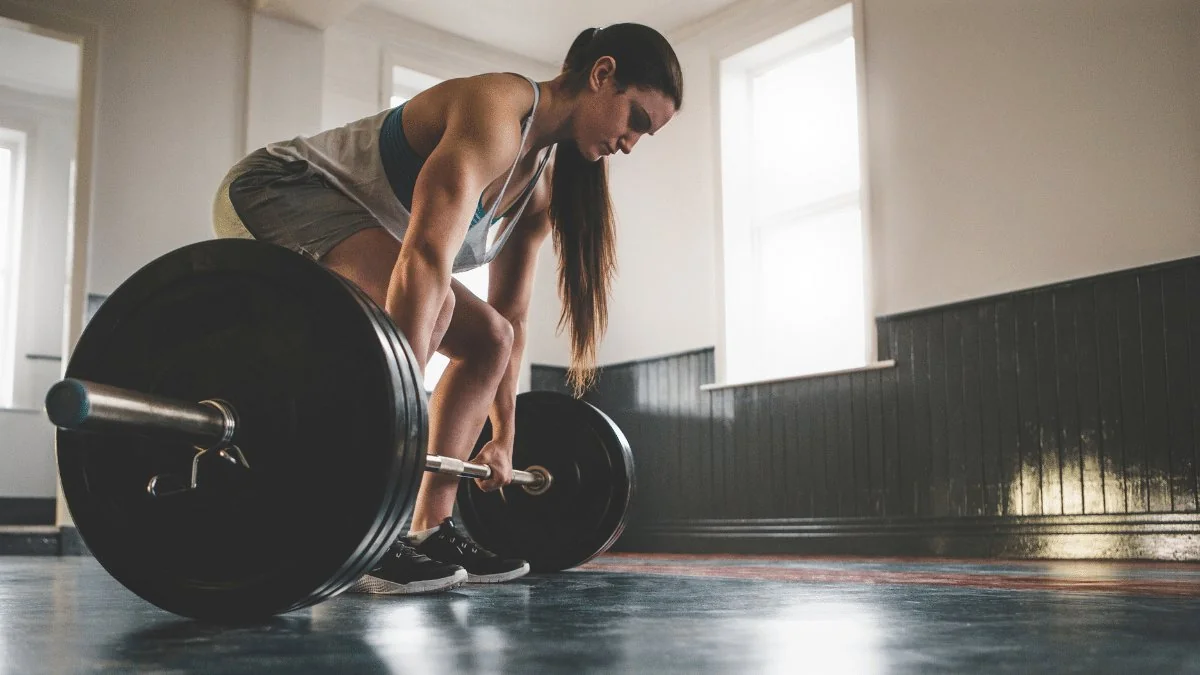

If you spend enough time online, leg and glute training can look like a maze of complicated routines, flashy band drills and impossible angles. In reality, strong legs and glutes are built the same way they’ve always been built: with a handful of basic movements done consistently, with good form, and slowly heavier loads over time.
You don’t need to live at the gym or memorize dozens of variations. What you do need is a small toolkit of exercises that actually fit a normal person’s body and schedule — movements you can come back to week after week, watching the numbers in your training log quietly climb.
This guide walks through 10 gym exercises that reliably build strength and muscle in your legs and glutes. They’re not trendy, but they work. For each one, you’ll see what it trains, how to do it safely and how to make it fit into a real program, not just a “perfect” day.
As always, if you have existing injuries or medical conditions, it’s worth checking in with a healthcare professional before changing your training. Nothing in the gym should feel like you’re fighting your body.
1. Barbell Back Squat
If lower-body strength had a symbol, it would probably be the squat rack. The barbell back squat is a full-body movement, but it’s especially demanding on your quads, glutes and core.
What it trains:
Quads, glutes, hamstrings, lower back, core.
How to do it (basic version):
- Set the bar on a rack just below shoulder height.
- Step under the bar so it rests across the muscles of your upper back, not on your neck. Grip the bar slightly wider than shoulder-width.
- Unrack the bar and take one or two small steps back. Place your feet about shoulder-width apart, toes slightly turned out.
- Take a breath, brace your core as if someone is about to poke you in the stomach.
- Sit your hips down and back, bending your knees and hips together, keeping your chest up as much as you can.
- Go as low as you can with control and without pain — ideally until your thighs are at least parallel to the floor.
- Drive through your mid-foot and heels to stand back up, exhaling as you pass the hardest point.
Aim for 3–4 sets of 5–10 reps, depending on your experience. Focus on smooth, controlled reps, not bouncing at the bottom.
Key tips:
- Think “knees track over toes,” not caving inward.
- If your lower back hurts, lighten the bar and shorten your range until you can control the movement.
- If the barbell still feels intimidating, build confidence with goblet squats first (holding a dumbbell or kettlebell at your chest).
2. Romanian Deadlift (RDL)
The Romanian deadlift is one of the most powerful tools for building the back side of your legs — glutes and hamstrings — without heavy strain on the knees.
What it trains:
Glutes, hamstrings, lower back, grip.
How to do it:
- Stand tall with a barbell in your hands, feet about hip-width apart, knees slightly bent.
- Keeping your spine neutral (no rounding), push your hips backward as if you’re closing a car door with your butt.
- Let the bar slide down along your thighs, keeping it close to your body. Your knees bend a little, but the movement comes mainly from your hips moving back.
- Lower the bar until you feel a strong stretch in your hamstrings — often somewhere around mid-shin, but don’t force it.
- Squeeze your glutes and push your hips forward to stand back up, bringing the bar with you.
Start with 3–4 sets of 6–10 reps.
Key tips:
- The bar should move in a straight line over your mid-foot, not drift away from you.
- If you feel this mostly in your lower back, you may be rounding — reduce the weight and shorten the range until you can keep your back flat.
- Think “hips back, hips forward,” not “bend down and stand up.”
3. Barbell or Machine Hip Thrust
This movement exists for one clear reason: glutes. The hip thrust is one of the most direct ways to load your glute muscles through a big range of motion.
What it trains:
Primarily glutes; hamstrings and core assist.
How to do it (barbell version):
- Sit on the floor with your upper back against a bench. Roll a barbell over your hips or use a pad for comfort.
- Bend your knees so your feet are flat on the floor, about hip-width apart, shins roughly vertical when you’re at the top of the movement.
- Lean your upper back on the bench, look straight ahead or slightly down to keep your neck neutral.
- Drive through your heels and squeeze your glutes to lift your hips until your body forms a straight line from shoulders to knees.
- Pause for a second at the top, then lower your hips with control until they’re just above the floor.
Perform 3–4 sets of 8–12 reps.
Key tips:
- At the top, you should feel your glutes working hard, not your lower back. If your back is arching, tuck your pelvis slightly and think “ribs down.”
- Adjust your foot position so the movement feels strongest in your glutes. If you feel it mostly in your quads, your feet may be too close; if it’s all hamstrings, they may be too far.
- If the bar is uncomfortable, use a thick pad or start with a hip thrust machine.
4. Bulgarian Split Squat
Few exercises are as humbling as the Bulgarian split squat. It challenges your balance and leg strength one side at a time, which is incredibly useful for evening out imbalances and building single-leg stability.
What it trains:
Quads, glutes, hamstrings, core; balance and stability.
How to do it:
- Stand a couple of feet in front of a bench, facing away from it.
- Place the top of one foot on the bench behind you. Your front foot should be far enough forward that when you lower down, your front knee stays roughly over your ankle.
- Brace your core, then bend your front knee and hip to lower your body straight down.
- Stop when your front thigh is roughly parallel to the floor (or as low as you can comfortably go).
- Drive through the heel of your front foot to stand back up.
You can do these with bodyweight, or holding dumbbells at your sides. Aim for 3–4 sets of 8–12 reps per leg.
Key tips:
- Hold on to a stable object when you’re learning to avoid turning it into a balance circus.
- Think “straight down” instead of “forward” to keep stress off the knee.
- Expect these to feel hard even with light weights — that’s normal.
5. Leg Press
The leg press sometimes gets dismissed as “too easy” compared to squats. But when used well, it lets you load your legs heavily without needing to balance a bar on your back — useful for beginners and advanced lifters.
What it trains:
Quads primarily; glutes and hamstrings assist depending on foot position.
How to do it:
- Sit in the machine and place your feet on the platform about shoulder-width apart.
- Unlock the safety handles and straighten your legs without locking your knees hard.
- Slowly lower the weight by bending your knees and hips until your thighs come close to your chest but your lower back stays in contact with the pad.
- Press the platform away by driving through your whole foot (not just your toes) until your legs are nearly straight again.
Work in the 3–4 sets of 8–15 reps range.
Key tips:
- Don’t let your lower back round and lift off the pad at the bottom — that’s a sign you’ve gone too deep for your current mobility.
- You can bias more glute involvement by placing your feet slightly higher on the platform.
- Resist the urge to load the sled with every plate in the gym. Control and full range are more important than ego.
6. Walking Lunges
Walking lunges bring together strength, balance and coordination, and they work your glutes and quads in a way that feels athletic and natural.
What it trains:
Quads, glutes, hamstrings, core, and hip stability.
How to do it:
- Stand tall with your feet together, holding dumbbells at your sides if you’re using weight.
- Step forward with one leg and lower your body until both knees are bent around 90 degrees — your back knee should hover just above the floor.
- Push through the front heel to stand up and bring your back leg forward into the next step.
- Continue walking for the desired number of steps.
Try 2–3 sets of 8–12 steps per leg.
Key tips:
- Keep your torso relatively upright; a slight forward lean is fine, but don’t collapse.
- Think about stepping “on train tracks” rather than a tightrope to avoid wobbling side to side.
- If knee pain shows up, shorten your stride and focus on a softer, more controlled descent.
7. Step-Ups
Step-ups are simple and surprisingly effective. They mimic the real-world movement of climbing stairs or hiking, and they’re gentle on the lower back while still challenging your legs and glutes.
What it trains:
Glutes, quads, hamstrings, balance.
How to do it:
- Stand in front of a sturdy box or bench. Choose a height where your knee is around hip level or slightly below when you place your foot on it.
- Step one foot onto the box, pressing through your heel.
- Drive through that leg to bring your body up, trying not to push off too much with the leg on the floor.
- Bring the trailing foot up to stand fully on the box, then step back down with control.
- You can either alternate legs or do all your reps on one leg before switching.
Perform 3 sets of 8–12 reps per leg. You can hold dumbbells at your sides or a single dumbbell at your chest once bodyweight feels easy.
Key tips:
- Control the lowering phase; don’t drop off the box.
- If your knee caves inward as you stand up, reduce the height and weight and focus on keeping the knee in line with your toes.
- Higher doesn’t always mean better. A moderate height you can control is more useful than a tall box that forces you into awkward positions.
8. Hamstring Curl (Machine)
Strong, healthy hamstrings protect your knees and balance the heavy quad work that many people naturally gravitate toward. Hamstring curls allow you to train them directly.
What it trains:
Hamstrings; some calf involvement.
How to do it (lying or seated machine):
- Adjust the machine so the pad rests comfortably just above your heels (for lying) or behind your lower legs (for seated).
- Sit or lie with your knees in line with the machine’s pivot point and your back firmly against the pad.
- Curl your legs, bringing your heels toward your glutes in a smooth motion.
- Pause briefly at the top, then lower the weight slowly back to the starting position.
Aim for 3–4 sets of 10–15 reps.
Key tips:
- Don’t swing or jerk; hamstrings respond well to controlled tempo.
- If you feel cramping, reduce the load slightly and focus on a slightly shorter range at first.
- Pairing curls with movements like RDLs gives your hamstrings both stretched and shortened-strength work.
9. Cable Glute Kickbacks or Hip Extensions
These isolate your glutes in a simple, focused way and work well as a “finisher” after your heavier compound lifts.
What it trains:
Gluteus maximus primarily; some hamstring.
How to do it:
- Attach an ankle strap to a low cable pulley and fasten it around one ankle.
- Stand facing the machine, holding onto the frame for balance.
- Keeping your knee slightly bent, extend your leg backward in an arc, squeezing your glute as your leg moves behind you.
- Don’t arch your lower back — the motion comes from your hip.
- Slowly return your leg to the starting position without letting the weight stack slam down.
Perform 2–3 sets of 12–20 reps per leg.
Key tips:
- Think about “sending your heel toward the wall behind you,” not just flinging your leg.
- Keep the weight moderate enough that you can really feel your glute working, not your lower back.
- These work well at the end of a session when your larger movements are done.
10. Standing or Seated Calf Raise
Calves might not be the first muscle you think of for “strong legs and glutes,” but they play a big role in stability, athletic performance and overall leg development.
What it trains:
Gastrocnemius and soleus (calf muscles).
How to do it (standing machine or Smith machine):
- Stand with the balls of your feet on a step or platform, heels hanging off the edge. Hold onto something for balance.
- Lower your heels toward the floor until you feel a stretch in your calves.
- Press through the balls of your feet to rise up as high as you can onto your toes, squeezing your calves at the top.
- Lower slowly and repeat.
Aim for 3–4 sets of 10–20 reps. Calves often respond well to slightly higher rep ranges.
Key tips:
- Use a full range of motion: deep stretch at the bottom, strong squeeze at the top.
- Don’t bounce; control each rep.
- If you tend to neglect calves, simply adding these a couple of times per week can improve how your entire leg looks and performs.
How To Put These Exercises Into a Real Program
You don’t need all 10 in a single workout. A realistic approach is to choose 4–6 per session, mix them across the week, and gradually increase the load, reps or total sets over time.
Example 2-day lower-body split:
Day 1 (Strength Focus)
- Barbell Back Squat – 4 × 5–8
- Romanian Deadlift – 3 × 6–8
- Leg Press – 3 × 8–10
- Standing Calf Raise – 3 × 12–15
Day 2 (Hypertrophy / Volume Focus)
- Hip Thrust – 4 × 8–12
- Bulgarian Split Squat – 3 × 8–12 per leg
- Walking Lunges or Step-Ups – 3 × 10–12 steps per leg
- Hamstring Curl – 3 × 10–15
- Cable Glute Kickback – 2–3 × 15–20 per leg
A few guiding principles:
- Warm up first. A few minutes on a bike or treadmill plus light sets of your first exercise prepare your joints and muscles.
- Quality over ego. Choose weights that challenge you while allowing good form; progress comes from consistent effort, not from one reckless set.
- Recover properly. Strong legs and glutes are built not just from what you do in the gym, but from what you do afterward: eating enough protein, sleeping well, and giving your muscles time to repair.
Strong legs and glutes aren’t just about appearance. They make everyday life easier — climbing stairs, carrying groceries, playing with kids — and they form the foundation for almost every athletic movement.
Pick a few of these exercises, learn them well, and keep showing up. Over time, you’ll notice more than just numbers going up on a bar. You’ll feel it in how you move, how you stand and how much more capable your lower body feels in and out of the gym.
Important notice: this content is educational and does not replace an individual evaluation. If you have a history of eating disorders, diabetes, pregnancy, or a medical condition, consult a healthcare professional before making dietary or exercise changes.





 Sign In